Turn the branch layout into a purchasing schedule
Assign a reference to each branch location in your inquiry. Use the drawing's own tag where one exists; otherwise ask the project team to agree on a reference that can remain with the item through purchasing. Record the model, requested main-pipe size, requested outlet size, quantity and drawing revision. Keep an open field for the supplier's proposed description and response.
Don't group all mechanical tees into one quantity before the configurations have been reviewed. If several locations appear identical, retain their individual references while asking whether they can share a purchasing line. When the design changes, trace the change to the affected location references and request revised quantities for those items in the purchasing schedule.
For a hypothetical floor-by-floor project, you might organize the schedule by area and then by branch tag. The point is not to prescribe the layout of the piping. It is to give purchasing, engineering and receiving teams the same set of references when they discuss which items are required and where each inquiry line belongs.
Request confirmation of each main and outlet combination
The XGQT15 catalogue range identifies the product family's size span, not a table of every main-pipe and outlet pairing. Submit the combination required at each location and ask for a response against that specific line. If the pipe and outlet descriptions use different naming conventions, ask the engineer to clarify the intended designations before finalizing the inquiry.
Include the pipe information specified by the project. Where the proposed item is intended for an existing pipe, distinguish site measurements from original design records and provide the available supporting material. Ask what further information is needed to assess the proposed configuration. Avoid treating a nominal size alone as a complete description of the interface.
When a requested combination is unresolved, leave its status visible. Ask whether the supplier is confirming the original request or suggesting an alternative for engineering review. Keep alternatives in separate rows with their own drawing references. Discuss those options with the project engineer, and keep the intended branch requirement in the main bill of materials until a revised selection is approved.
Show the proposed branch position and surrounding space
Send a marked drawing detail that identifies the intended branch location and the direction shown in the project design. Include relevant neighboring items and dimensional references where your engineer needs them for review. Ask for the proposed product dimensions and instructions rather than estimating clearance from a catalogue image.
For locations shown on crowded drawings, attach a readable crop as well as the source drawing reference. Mark which branch the inquiry concerns. A reviewer should be able to find the item without searching across a large drawing sheet or guessing which annotation belongs to it. If the layout is provisional, state that status clearly.
Ask the installation planning team to identify any access or preparation questions that need a supplier response. Keep those questions tied to the branch tag. Collect the information and retain the decision; obtain the relevant product instructions instead of using the purchasing description as an installation method. Obtain the appropriate instructions for the selected configuration before planning the actual work.
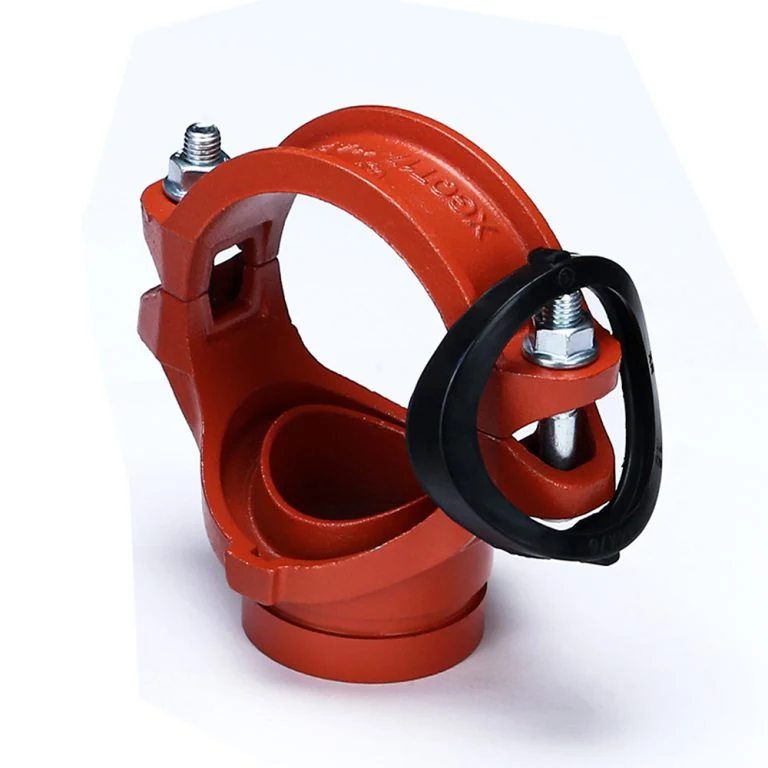
Reference this model in your product list. Add the exact requested size and quantity, then identify any documents you need for review.
Include this model in your inquiry →Define the outlet interface and connected-item responsibility
Provide the outlet connection requirement from the project specification and ask how the proposed XGQT15 item addresses it. Include the drawing or reference for the item intended to connect at the branch. If that connected item is being procured under another package, identify its owner and the document that controls its interface.
Ask the quotation to make the supply boundary clear. State whether you want the mechanical tee only, a separately itemized proposal for associated items, or a review against components supplied by others. Request an explicit list of inclusions and exclusions. Review any combined price against the itemized scope, and ask for clarification of any component that has not been identified.
Keep interface acceptance with the person responsible for the branch design. If a suggested change affects the connected item, ask that person to review both sides of the proposal. Update the branch schedule only after the decision is recorded. Check the related purchase package at the same time, and ask its owner to update the connection description if the accepted change affects that package.
Distinguish new branch orders from replacement inquiries
If you are buying for a new project, organize the request around the approved design and its open technical questions. If you are seeking a replacement, start by explaining that purpose and providing the existing item's identification. Ask for comparison information rather than assuming that a shared product name makes the proposed item interchangeable.
For a replacement inquiry, collect available photographs, dimensions and records with clear labels. State which details are known, which were measured and which still need confirmation. Ask the project team to identify any site information that must be verified before the order proceeds. Your request should make uncertainty visible instead of hiding it inside a copied description.
A distributor handling both planned work and replacement enquiries may want separate quotation lines for each purpose. Keep customer or project references with the relevant line and request the documents needed for each review. A price obtained for one defined configuration should not quietly become a blanket specification for every later inquiry using the XGQT15 model name.
Specify the review documents your project requires
Ask the project engineer to provide the service requirements that should accompany the mechanical tee inquiry. These may include the required medium, pressure, temperature and material specification. Submit those requirements as inputs for confirmation. The catalogue identity and size range do not establish suitability for a particular service or replace the technical information required by the project.
List the documents you need to review the proposed configuration. Ask for the applicable dimensional information and product instructions, along with any material, inspection or compliance documents required by the contract. State whether a document is needed before an order decision or as part of the agreed delivery records.
If a consultant must review the submittal, use the consultant's document references and acceptance criteria in the request. Ask what can be provided for the proposed supply and record any gaps as questions to resolve. Avoid describing a required approval as an existing product credential. The inquiry should distinguish your project's expectations from the information that has actually been offered.
Keep branch quantities under revision control
Use a dated schedule when asking for a quotation, and retain its revision with the response. If a branch is added, removed or changed, identify the affected line and ask for the commercial impact to be returned against that line. Do not rely on a new total quantity without showing which configurations produced the change.
For staged purchasing, distinguish confirmed requirements from anticipated later quantities. Ask the supplier to state the basis of the offer and any conditions that apply to each stage. Request lead time, packing information, delivery terms and quotation validity for the scope being discussed. Treat your desired delivery date as a request until a specific arrangement has been agreed.
Before placing the order, reconcile the accepted technical description with the latest quantity schedule. Check that any alternative proposal has a recorded decision and that unresolved locations are not included accidentally. Provide a branch-by-branch record to the colleague placing the order, and identify the accepted configuration, quantity and drawing revision for each line in that record.
Carry location references into delivery and handover
Ask whether the proposed packing and identification can reflect your branch schedule or area packages. If your receiving team needs particular references on labels, provide them for agreement. Request a packing list that makes it possible to match the delivered configurations with purchase order lines and their supporting drawings.
Prepare a handover pack for the people checking the delivery. Include the accepted schedule, relevant product documents and the project's agreed inspection requirements. Ask your quality team to define how discrepancies should be recorded and resolved. Keep quantities, item identification and technical acceptance as distinct checks so each can be reviewed by the appropriate person.
Send an XGQT15 inquiry with the branch schedule, drawing details and required documentation list through the product contact route. Use the RFQ checklist to collect any missing commercial or service information. When the wider order contains other fitting types, refer to the product catalogue and give those items their own lines and technical questions.
Purchasing questions
Which size range is listed for XGQT15?
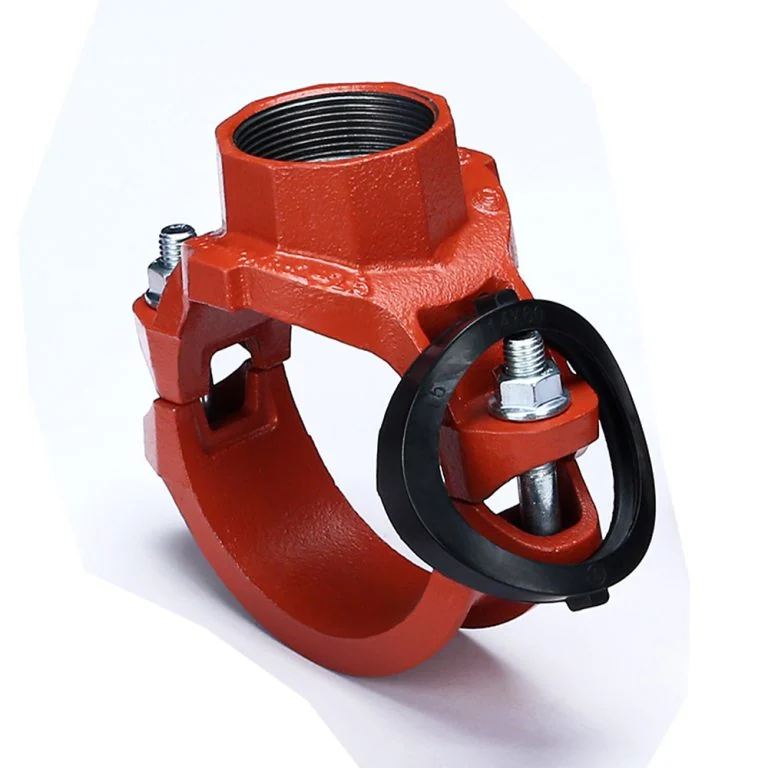
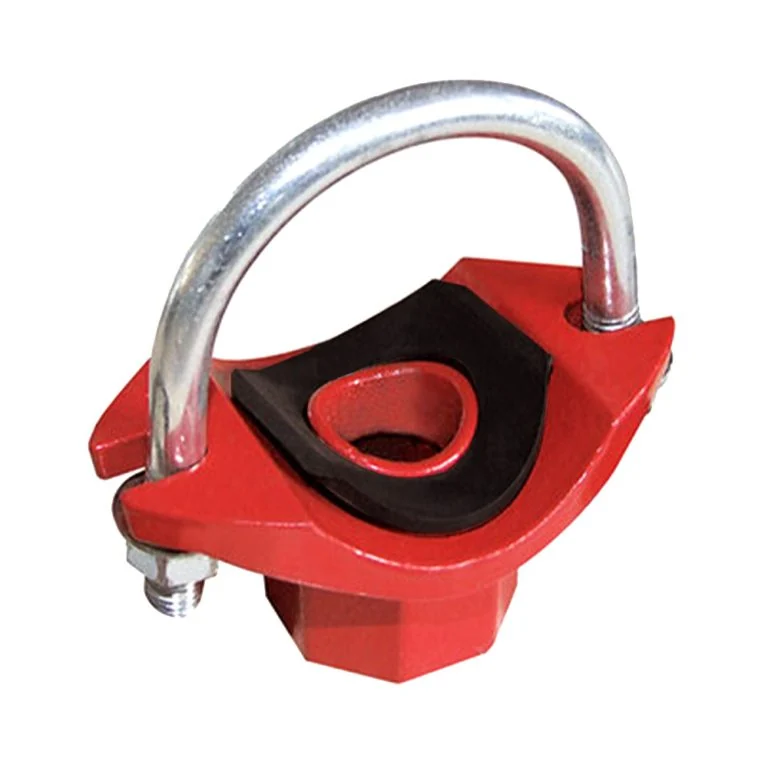
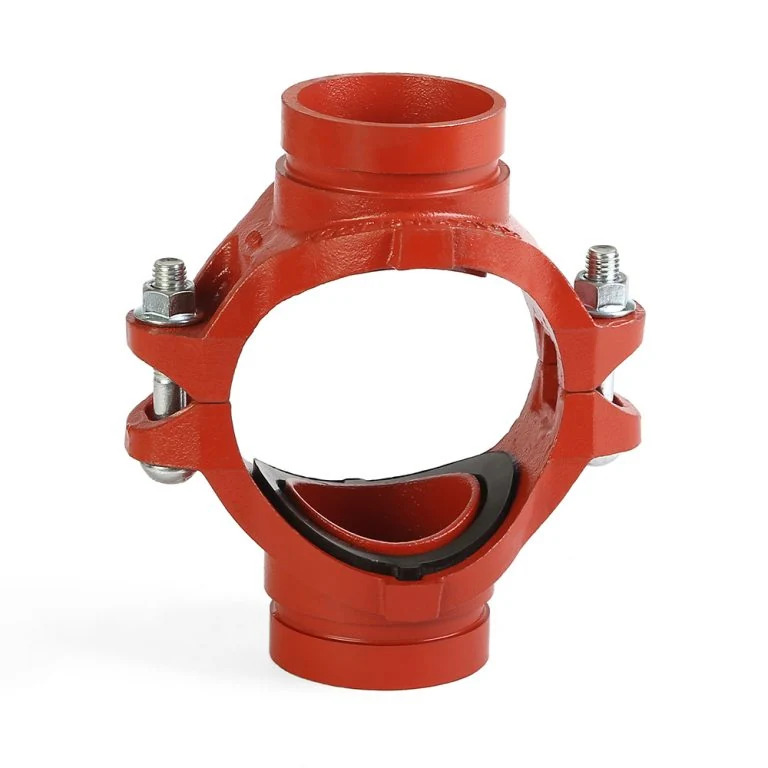
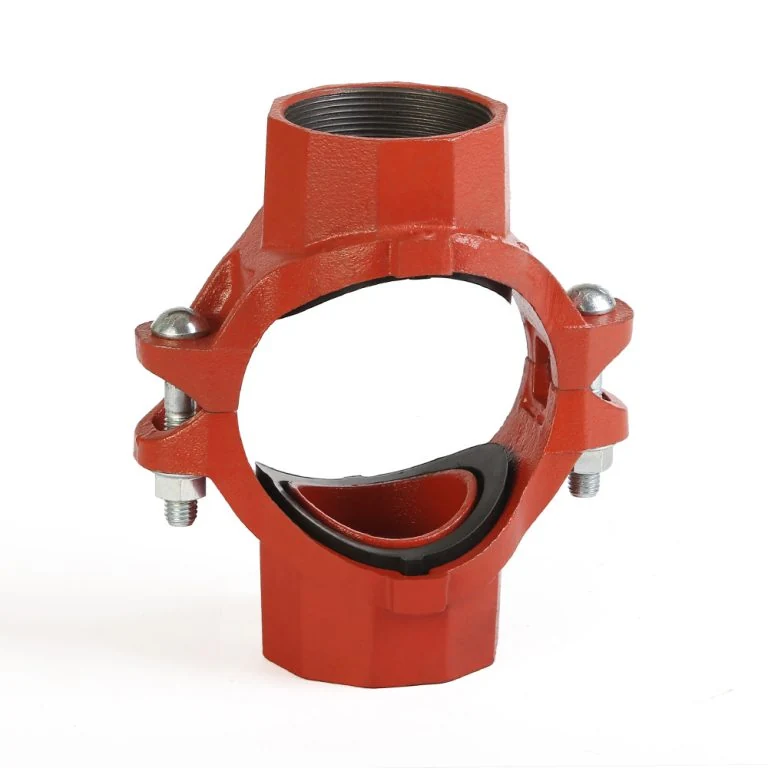
The VICAST Mechanical Tee catalogue range is 1½–10 inches / DN40–DN250. Request confirmation of the exact main-pipe and outlet combination in your inquiry. The range should not be interpreted as a complete list of available combinations or as a stock statement.
What should a branch schedule contain?
Include the branch reference, XGQT15 model, requested pipe and outlet sizes, quantity, location and drawing revision. Add the required connection details and any open technical questions. Ask the supplier to respond against your line references so the quotation can be compared with the project requirement.
Can I combine different branch configurations in one inquiry?
Yes, organize your request as separate lines for each configuration and retain the location references. Ask for availability and commercial details against each line. Where the supplier proposes an alternative, keep it distinct until the person responsible for the branch design has reviewed and accepted it.
What information is needed before installation planning?
Request the applicable product instructions and configuration details for the proposed order. Have the project team review pipe information, outlet interfaces, preparation requirements and access questions. Do not use the catalogue name or this purchasing guide as an installation procedure or as confirmation of service suitability.
Catalog reference: VICAST XGQT15 product listing. Size range is a catalog reference; confirm your exact order requirements.