Write the thread requirement as a complete specification
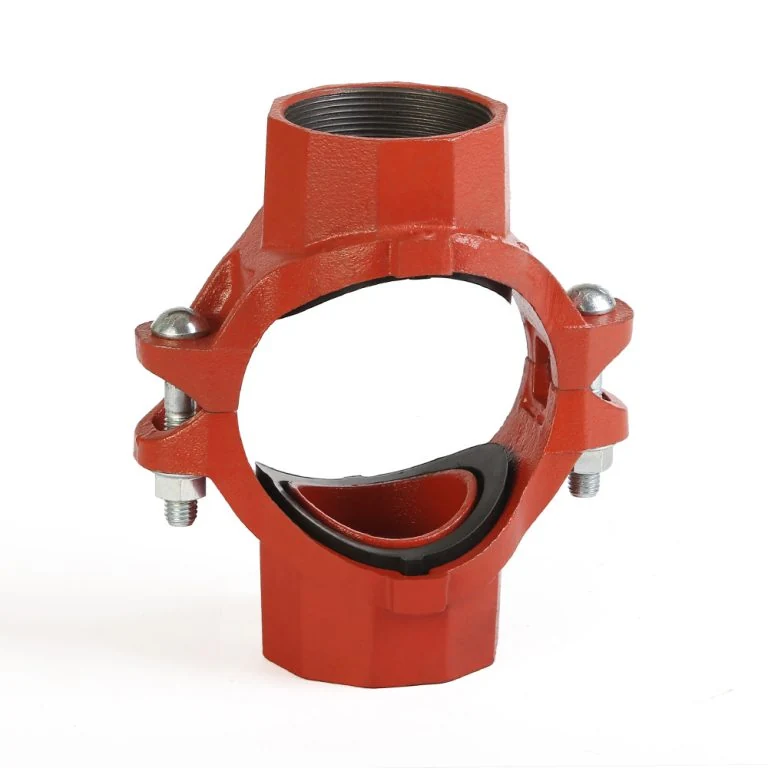
Copy the required thread designation from the approved project specification into the inquiry. Include the referenced standard and revision where the project gives them, and ask the supplier to state the proposed thread details explicitly. Avoid shortening the requirement to a size followed only by the word threaded. If the specification is incomplete, send the question to the engineer responsible for the connection before confirming the order.
Ask for a drawing or other appropriate product information showing the proposed outlet interface. Mark the corresponding connection on the drawing of the item intended to mate with it. Request a written comparison against the requirement rather than treating similar naming as confirmation of compatibility. Keep any unresolved terminology in a clarification list attached to the branch schedule.
When procurement documents have been translated or consolidated from different packages, retain the original technical designation alongside the project description. Ask the project reviewer to settle any disagreement between the documents. Use the accepted wording consistently in the quotation request, technical response and eventual purchase order.
Record main-pipe and branch details separately
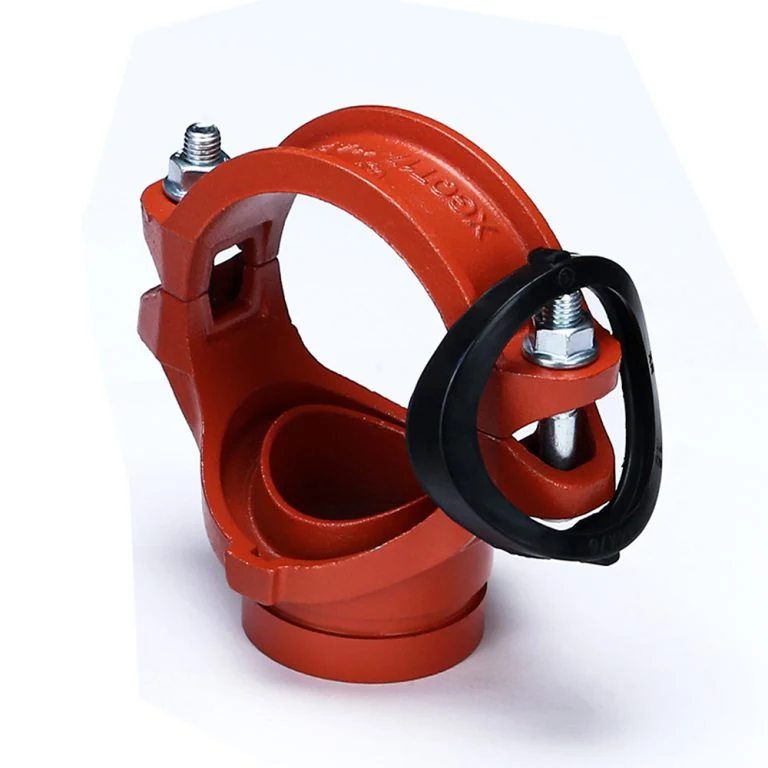
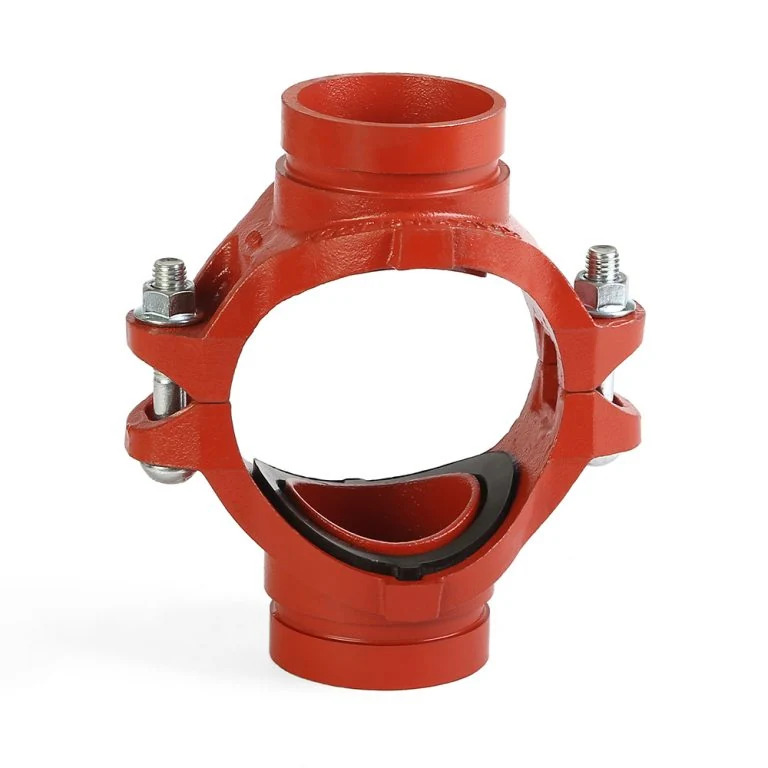
Use separate fields for the main pipe and the threaded branch. Enter the project size designation in each field, together with the pipe information and connection requirements that the reviewing engineer has specified. Ask for confirmation of the requested combination for XGQT15S. Do not treat the 1–10 inch / DN25–DN250 catalogue range as a list of every possible main and branch pairing.
If you are replacing an item in an existing assembly, provide the available identification records and explain which dimensions have been measured on site. Label measurements with their units and reference points. Ask what additional information is needed before the proposed product can be compared with the existing requirement. Leave unknown details visibly unresolved.
For multiple branches, give each requested combination its own line. Retain the location references even where the quantity is grouped for pricing. Ask the supplier to reference those lines in any proposed alternative, and request a separate technical decision for each combination that differs from the original project request.
Review the connected item as part of the inquiry
Identify what the project proposes to connect to the threaded outlet. Send the relevant interface drawing or specification, subject to your document-sharing rules, and mark the precise connection that requires review. Ask the responsible engineer to approve the proposed mating arrangement. Do not use the identity of the connected item as an implied approval of the tee's service suitability.
State who is buying the connected item and who will review the interface between the two purchase packages. If different teams are involved, nominate the document references they should both use. Ask for changes to either side of the interface to be reported through the same clarification process before the affected item is released.
Where the design includes space or access constraints around the branch, show them on the inquiry sketch. Request the dimensions your team needs to assess the proposed arrangement. Keep any questions about assembly, sealing or orientation as requests for applicable instructions and engineering review, rather than adding a field procedure to the purchasing description.
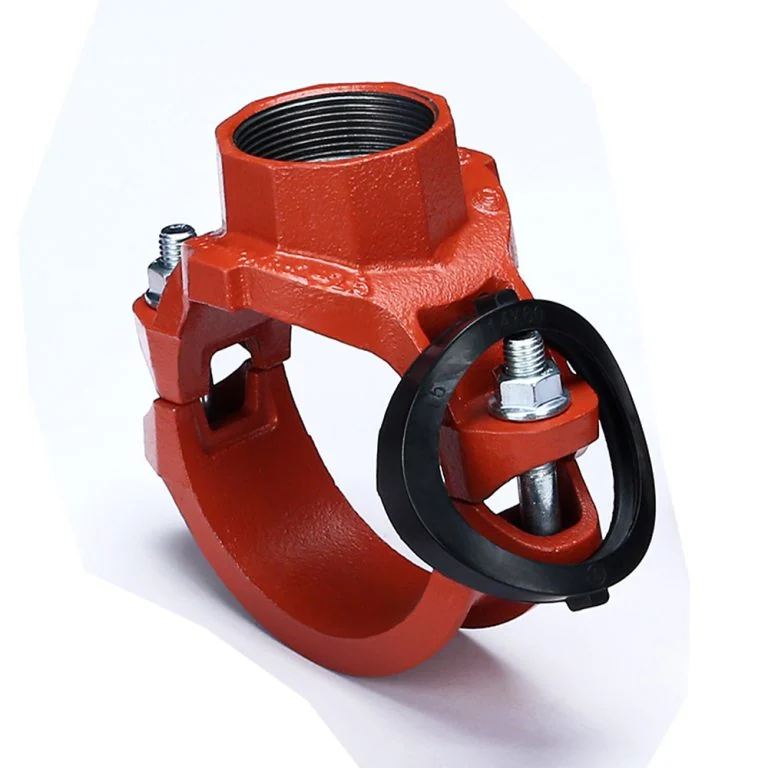
Reference this model in your product list. Add the exact requested size and quantity, then identify any documents you need for review.
Include this model in your inquiry →Create a thread-specific clarification register
Give each open interface question a reference and attach it to the affected branch line. State the requested thread information, identify the document that introduced the question and record the answer when it is received. Ask the engineer to mark whether the answer is accepted, needs further information or requires a revised proposal.
Use this register when a quotation uses an abbreviation that differs from your project documents. Request the full designation and ask whether the quotation is intended to comply with the original requirement or offer an alternative. Do not silently edit the abbreviation yourself. Carry the accepted wording into the final item description after the technical decision is made.
Include document revisions in the register. If a connected item changes, reopen the related thread question and request confirmation against the new interface document. Retain the earlier response for reference, but clearly mark which response applies to the current order. Ask the purchasing team to use only the accepted revision when requesting the final commercial offer.
Specify the supply boundary and document package
Request a description of what the quoted XGQT15S item includes. If your inquiry also covers associated connection items, ask for those items to be listed separately with their proposed descriptions. Identify any components supplied by other parties, and ask the reviewer to confirm the interfaces relevant to that division of scope.
List the technical documents required for approval. Ask for the proposed product drawing, applicable instructions and any material or compliance information required by the project. Give each document a purpose and required stage, such as pre-order review or delivery documentation. Request confirmation of which documents can be provided for the offered configuration.
Submit any specified inspection or identification requirements with the inquiry. Ask how the proposed supply would be documented against them, including any requirements attached to the threaded outlet. Do not assume that a test, certificate or inspection record is available simply because it appears on your checklist. Keep the response and any qualifications with the purchasing line for review.
Submit service requirements without filling gaps by assumption
Use the project's own service specification when asking whether the proposed item is suitable. Provide the required medium, pressure and temperature conditions and any stated material or finish requirements. Ask for supporting product information for the selected configuration. The model name, suffix and nominal size range do not establish these properties.
If the project documents use different conditions for operation, testing or other stages, ask the project engineer which requirements belong in the inquiry. Submit the approved requirements without inventing missing values. Request clarification if the supplier's response addresses only part of the service requirement, and hold the unresolved point for the responsible reviewer.
For an inquiry that is still at tender stage, identify which service details remain provisional. Ask for the assumptions behind the proposed quotation to be listed explicitly. Before turning that quotation into an order, replace provisional inputs with the accepted project requirements and request confirmation that the proposed product and documents still correspond to the updated scope.
Compare commercial offers by accepted thread configuration
Build the quotation comparison from the branch lines that have defined technical requirements. Check whether each offer names XGQT15S, states the requested size combination and identifies the agreed thread specification. Request any deviation in a separate note. Keep a proposed alternative distinct from the compliant offer until the engineer has made a decision.
Ask for price and quantity basis, minimum order requirements, lead time, packing proposal, delivery terms and quotation validity for the scope under discussion. If a review sample is part of your procurement plan, state what you want to inspect and ask about availability and conditions. Treat all of these as order-specific questions rather than promises attached to the catalogue listing.
If different branches have different approval status, mark that distinction in the comparison. Request a final offer for the accepted schedule revision before issuing a purchase order. Keep the approved thread wording in full, even if an abbreviated description was used earlier during the pricing discussion. Include the relevant drawings and agreed document list by reference.
Plan identification and receiving around the branch schedule
Ask how the model, size and agreed configuration will be identified on the supplied items or packaging. Submit any project label requirements for discussion, including branch or area references where required. Request packing information that can be matched to the purchase lines without replacing the technical description with a location label alone.
Give the receiving team the accepted item schedule, relevant interface documents and the agreed inspection requirements. Ask your quality team to define how identification or documentation discrepancies should be handled. Where the project requires a particular check of the threaded interface, have the responsible personnel specify the method and acceptance criteria rather than creating them in the purchasing text.
Prepare your XGQT15S inquiry using the product contact route. Attach the thread requirement, main and branch schedule, connected-item reference and required quantity. Consult the RFQ checklist for other fields your project needs. For additional products in the same procurement package, use the main catalogue and request separate descriptions for each model.
Purchasing questions
What size range does the XGQT15S catalogue list?
The listed range is 1–10 inches / DN25–DN250. Ask for confirmation of your exact main-pipe and branch combination. Include the required thread designation in that request, and do not interpret the range as confirmation of every intermediate size or configuration.
Is a thread size enough to describe my requirement?
Provide the full requirement from your project specification, including the thread designation and applicable standard reference where specified. Ask for the proposed details in writing and submit the mating item's interface information. Have the project engineer resolve missing or conflicting information before the order is finalized.
How should I request several threaded branches?
Use a schedule with separate lines for each configuration. Record the branch tag, main size, outlet size, thread requirement, quantity and drawing revision. Ask for responses against your line numbers, and keep any alternatives separate until the responsible reviewer accepts them.
What should I do if the quotation uses different thread wording?
Ask whether the wording describes the requirement you submitted or a proposed alternative. Request the full technical designation and supporting information. Record the clarification and the engineering decision, then use the accepted description consistently in the final quotation and purchase order.
Catalog reference: VICAST XGQT15S product listing. Size range is a catalog reference; confirm your exact order requirements.