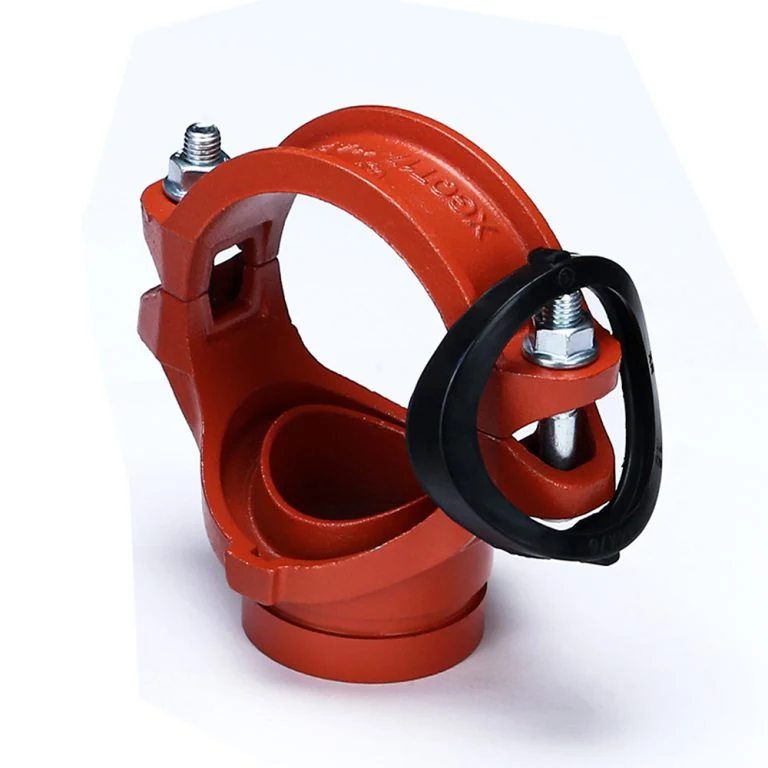
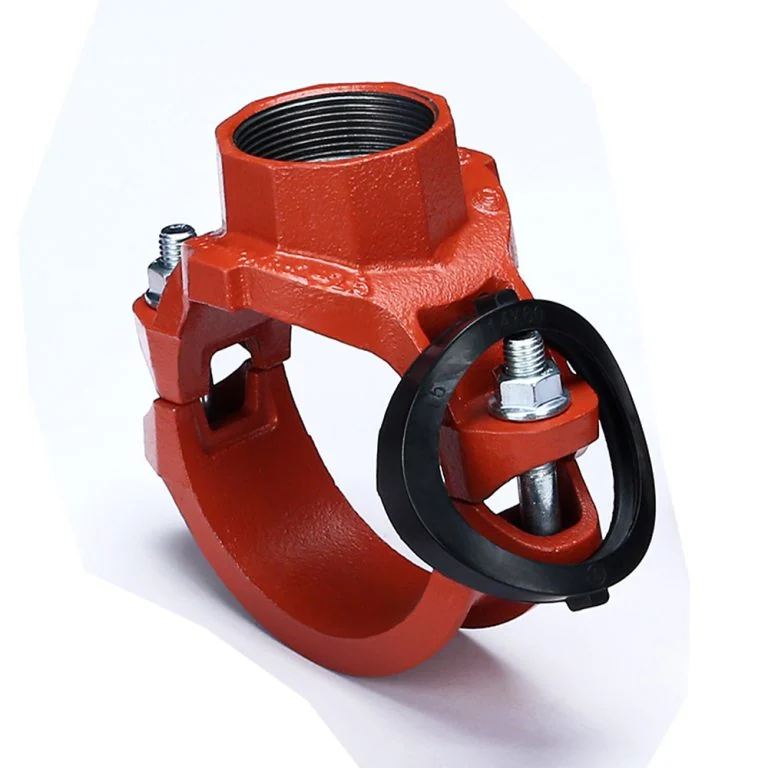
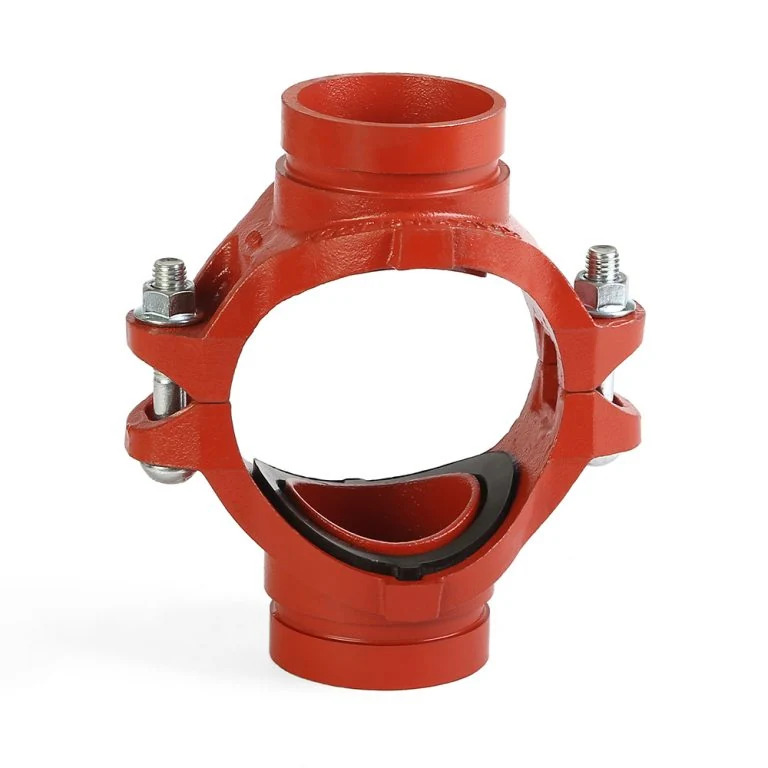
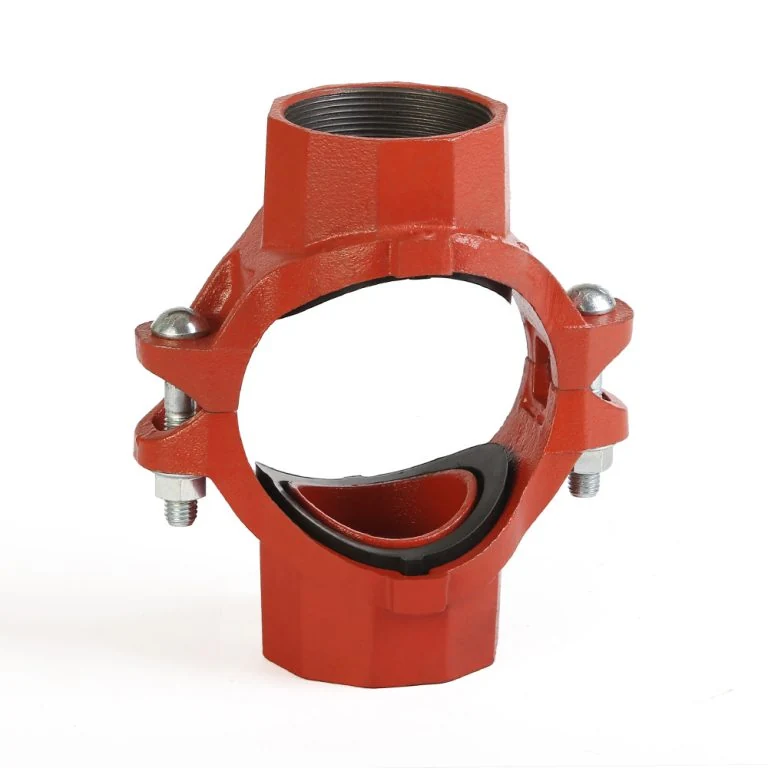
Keep the U-bolt model identity on every purchasing line
Write XGQT15U in full alongside the product name Mechanical Tee U-Bolt. Preserve the suffix in your request, comparison sheet and purchase order. If your procurement software shortens descriptions, keep the full reference in an attached schedule and ask the supplier to quote against that schedule. Request clarification if a returned description omits the model suffix or substitutes a general mechanical tee name.
Include the requested size and quantity on each line. Where your team uses a stock code, show it beside the manufacturer's model reference rather than replacing that reference. Ask for the proposed product identification to be stated in the quotation, and carry the accepted wording into the documents used for receiving.
For a replacement inquiry, photograph any available identifying marks and provide the existing records. Ask for comparison with the proposed XGQT15U item. Do not decide interchangeability from the presence of a U-shaped component or a similar appearance; submit the available details for technical review and request any further information needed.
State the pipe and branch requirements independently
Prepare separate fields for the pipe information and branch requirement specified by the project. Ask for the exact proposed combination to be confirmed. The listed 1–2½ inch / DN25–DN65 range should be used only as a catalogue reference; do not populate a purchasing matrix with assumed intermediate sizes or unconfirmed combinations.
Provide the project pipe designation, relevant dimensional information and connection requirements. If you have site measurements, label the measurement points and units and distinguish them from nominal size descriptions. Ask the responsible engineer to identify which values should control the selection and which still need verification before ordering.
State the required branch interface in its own field. Request the applicable drawing for the proposed outlet and submit the mating item's information where it is available. Ask for any difference between your requirement and the proposal to be described explicitly. Keep unresolved interface questions attached to the affected line rather than replacing them with a general note covering the entire order.
Ask for a component list before defining a kit
If you want to buy the item as part of a project kit, first ask for the proposed component list. Request a clear statement of what the quotation includes and excludes. Use the supplier's returned list for review, and ask your project team to identify any additional items required under its own design and installation documents.
Do not assume the contents of a package from the product name. Ask how the U-bolt item and any other proposed components would be identified, counted and supplied. If your order description uses the word set, define what that unit means in the agreed purchasing record. Request separate pricing or identification for optional items where you need that distinction.
For a hypothetical order issued to several work areas, prepare a kit schedule with the area reference, required model, accepted configuration and quantity. Ask whether the proposed packing can follow that schedule. Keep kit quantities separate from loose spare quantities, and record the proposed contents of each package for your receiving team to review.
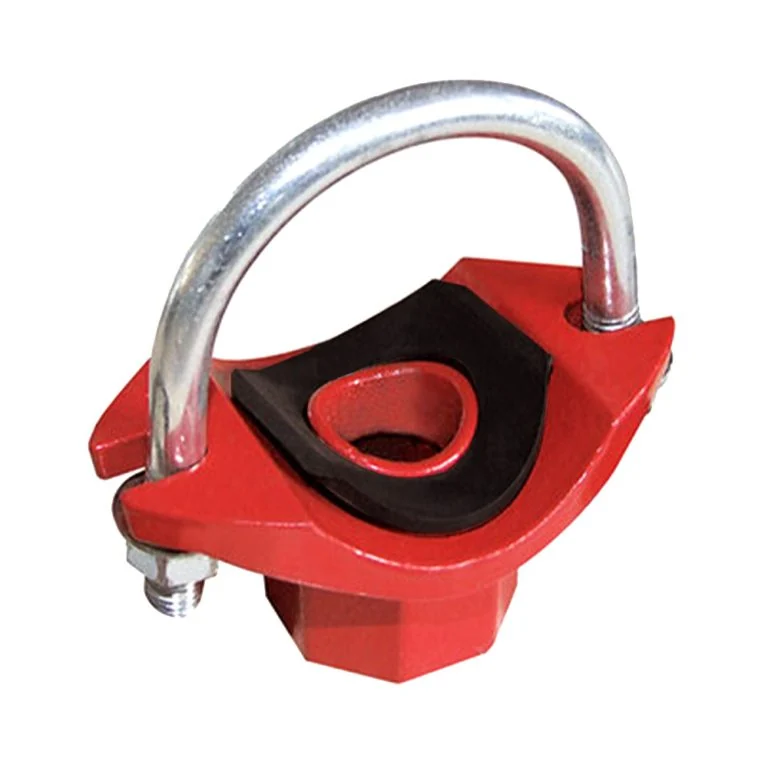
Reference this model in your product list. Add the exact requested size and quantity, then identify any documents you need for review.
Include this model in your inquiry →Show the space and access questions on a marked sketch
Ask the project team to mark the intended location on a drawing and identify the dimensions needed for review. Submit those references with the inquiry and request the corresponding product dimensions. If the surrounding arrangement has access restrictions, describe them as project constraints and ask the responsible personnel to assess the proposed configuration.
Use photographs only as supporting identification where you have them. Mark the viewing direction and location reference, and attach the drawing or measurement record that the engineer has requested. Avoid estimating a dimension from the photograph or assuming the product will fit because the arrangement looks similar to another installation.
Request the applicable instructions before making installation plans. Ask the planning team to raise any preparation, assembly or inspection questions for the offered configuration. Keep numerical procedures, tool requirements and acceptance criteria out of your purchasing description unless they have been provided and accepted through the project's technical review process. Obtain the required information directly for the proposed order.
Separate configuration approval from packing preferences
Use one part of the inquiry for the technical configuration and another for how you would like the order packed. Ask the engineer to approve the proposed item independently of the proposed package arrangement. If the packing request cannot be met, ask for an alternative packing proposal without silently changing the technical item or quantity.
Specify the project references you would like shown on labels. These might be a purchasing line, work-area tag or your own stock reference. Ask what identification can be provided and how it will appear on the packing list. Retain the full model and accepted size description in the underlying order documents even when shorter labels are agreed.
Where multiple recipients will receive portions of the order, provide a proposed allocation schedule and ask for confirmation of the delivery and packing arrangements. Mark any quantities that remain provisional. Before the order is released, reconcile the allocation schedule with the total quantity and request an updated quotation if the agreed scope has changed.
Request the service and documentation review your project needs
Supply the service requirements from your project documents and ask for a response for the selected XGQT15U configuration. Include the specified medium, pressure, temperature, material and finish requirements where applicable. Do not infer those properties from the catalogue size range or the U-bolt product name. Ask your technical reviewer to identify any missing information before acceptance.
Describe each requested document rather than using a general request for papers. Ask for dimensional information, applicable instructions and the specific material, inspection or compliance records your project requires. State when each document is needed and request confirmation of what can be supplied for the offered item.
If your purchasing process includes sample review, explain the purpose and ask about the proposed sample scope and terms. Keep sample availability and timing as questions until agreed. Ask the project team to define its review criteria, and record the decision against the proposed configuration rather than treating possession of a sample as automatic acceptance of the full order.
Set a clear quantity basis for price comparison
Ask each quotation to state its unit of supply and relate that unit to the agreed component list. Confirm whether the requested quantity refers to individual items, defined sets or the project packages you have described. Use the accepted unit consistently in the comparison sheet and purchase order, and request clarification of any different wording in the offer.
Request commercial terms for the actual quantity and destination under discussion. Include your questions about minimum order quantity, lead time, packing, delivery terms and quotation validity. If you are considering an initial release followed by later quantities, state that plan and ask for the conditions applying to each part rather than assuming an ongoing commitment.
Keep optional spares, provisional quantities and confirmed project requirements on separate lines. Ask for any alternative configuration or packing proposal to be priced separately. Before selecting an offer, obtain the technical decisions required for each proposed item and update the comparison to reflect the accepted scope, including all agreed inclusions and document requirements.
Prepare a receiving checklist for the agreed contents
Build the receiving checklist from the accepted order description and component schedule. Ask your quality team to specify the checks it requires for item identity, quantity, condition and documents. Include the agreed package references and any allocation schedule. Request instructions from the responsible team for recording discrepancies without treating a partial package as a complete accepted set.
If spare items are ordered separately, give them their own receiving references. Ask how they should be identified in the packing information and retain the accepted specification with your inventory record. When a later replenishment is needed, use that record as the starting point for a new confirmation rather than relying only on the name U-bolt mechanical tee.
To begin your XGQT15U enquiry, send the requested configuration, quantity, component-scope questions and relevant drawing through the product contact route. Review the RFQ checklist for additional project requirements. Use the product catalogue for other models in the purchasing package, and retain their distinct references in every schedule and quotation request.
Purchasing questions
What catalogue range applies to XGQT15U?
The VICAST Mechanical Tee U-Bolt is listed at 1–2½ inches / DN25–DN65. Submit the exact size and branch requirement you want reviewed. Confirm availability of the proposed configuration rather than treating the catalogue range as a complete list of orderable combinations.
How should I describe the required package contents?
Ask for an itemized component list and state whether you want individual items or a defined project package. If you use a quantity unit such as set, record its agreed contents in the order. Request clear inclusions, exclusions and identification details for the proposed supply.
Can I request packing by work area?
Include your proposed work-area allocation, quantities and label references in the inquiry, then ask whether that packing arrangement can be provided and on what terms. Keep this as a purchasing request until agreed. Retain the accepted product configuration separately from the packing preferences.
What should accompany a replacement request?
Send the complete model reference where known, existing records, available photographs and the dimensional information requested by your engineer. Explain which details remain unverified. Ask for a comparison of the proposed item against the actual requirement before deciding whether to order it as a replacement.
Catalog reference: VICAST XGQT15U product listing. Size range is a catalog reference; confirm your exact order requirements.