Prepare a terminal-point register from the current drawings
Ask the project team to identify the terminal points that require an end cap inquiry. Give each point a reference taken from the drawing or an agreed project register. Record the relevant line identifier, required size, quantity and drawing revision. Use XGQT16 in the product field, and leave space for the proposed configuration and the engineering response.
Do not derive the order quantity merely by counting symbols on an unconfirmed drawing. Ask the person responsible for the design to approve the terminal-point list and explain any symbols or notes that remain ambiguous. Identify whether the list is for tender pricing, construction procurement or a replacement requirement, and ask for quantities to be confirmed at the appropriate stage.
If several drawings cover the same area, nominate the controlling document for each point. Mark duplicates or superseded references for review rather than including them automatically. Retain a dated copy of the register with the quotation request and ask the supplier to respond using your purchasing line references.
Describe the intended status of each terminal point
State the purpose shown in the project documents for every requested terminal point. If your team uses categories such as final termination, future connection provision or maintenance stock, keep them in separate schedule fields. Ask the engineer to confirm which category applies. Do not assign a service purpose to the product solely from the catalogue name End Cap.
For a point associated with a later project phase, include the relevant design note and ask which present requirements must be reviewed. Keep future work descriptions separate from the current supply scope. Request confirmation of the proposed item for the current requirement, and do not treat a potential future configuration as part of an approved installation plan.
Where the requirement is temporary in your project documents, describe that status explicitly and request the necessary technical review. Avoid writing your own instructions for temporary use or removal. Ask the responsible project personnel to define the applicable service conditions, procedures and acceptance requirements before any item is ordered for that purpose.
Confirm size and connection information for each location
Submit the required nominal size together with the pipe and end information specified by the project. Ask for a drawing or other appropriate information for the proposed XGQT16 configuration. The catalogue range of 1¼–12 inches / DN32–DN300 does not confirm every intermediate size, connection detail or order quantity, so request a response for each selected size.
If the inquiry concerns an existing terminal point, provide the available records and any measurements requested by the engineer. Label the source of each dimension. Ask for clarification where the nominal designation, measured information and original record do not agree. Keep the line on hold for technical clarification rather than choosing a size from a photograph.
Identify any connection components that are purchased separately. Ask which items the quotation includes and request review against the components specified by your project. Keep the end cap description and any associated item list distinct in the purchase schedule, and obtain acceptance of the complete proposed connection arrangement through your normal engineering process.
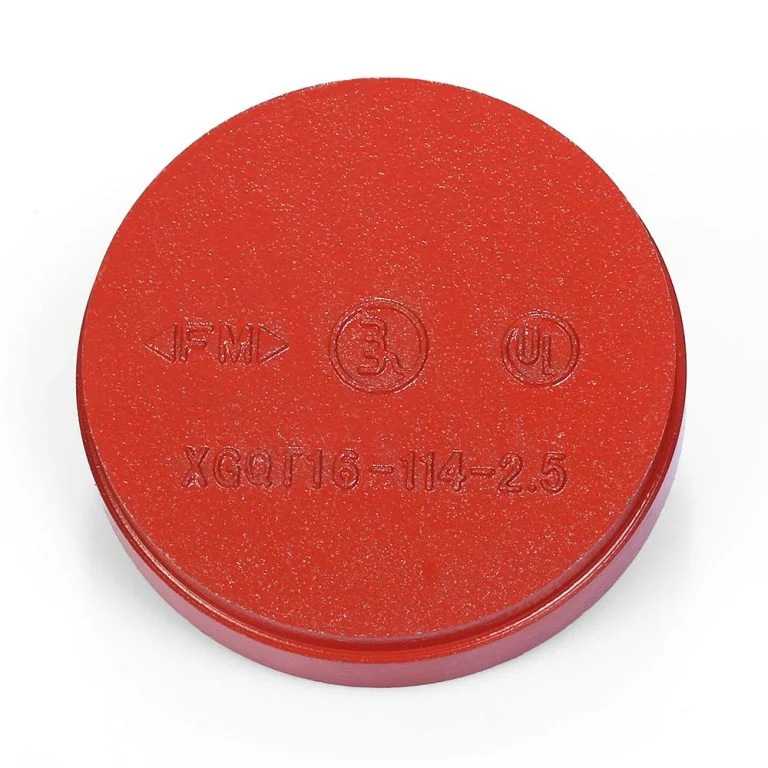
Reference this model in your product list. Add the exact requested size and quantity, then identify any documents you need for review.
Include this model in your inquiry →Request the service review without assuming closure performance
Provide the service conditions applicable to each proposed terminal point. Ask the engineer which medium, pressure and temperature requirements should be submitted, together with any specified materials or finishes. Request a documented response for the offered item. Do not infer performance, suitability or an allowable duty from the catalogue size range or from the fact that the product is named an end cap.
If the project calls for different conditions at different stages, ask the responsible designer to identify them in the inquiry. Keep operating requirements, proposed test conditions and other project-specific duties clearly described using the approved documents. Ask for unresolved conditions to be addressed before accepting the proposed selection.
Request the applicable instructions for the selected item and have the installation planning team review them. Questions about assembly, inspection, removal or any work on the system should be referred to the responsible personnel and the appropriate instructions. Do not use a procurement page as a procedure or create service limits to fill gaps in a quotation.
Separate installed quantities from proposed spare stock
Create distinct lines for project quantities and any spares your organization wants to consider. Ask the project team to confirm the required spare sizes and quantities rather than calculating them from an assumed percentage. State whether the spares are part of the current quotation request or an optional line for later decision.
For warehouse stock, retain the full model, accepted size and relevant configuration description in the inventory record. Ask how the proposed items will be identified and what documents should accompany them. If you use an internal stock code, connect that code to the agreed product description and request confirmation before using it in a replenishment order.
For staged construction, allocate confirmed end cap quantities to the approved terminal-point register and keep additional stock outside that allocation. Ask the purchasing team to reconcile these categories before issuing the order. Where quantities change, identify the affected sizes and purposes instead of sending only a revised overall total without its supporting breakdown.
Make document requirements specific to the end-cap order
List the documents required by your project for the proposed XGQT16 supply. Ask for the relevant dimensional information and instructions, together with specified material, inspection or compliance records. Give each requirement its own entry and state whether it must be reviewed before ordering or supplied with the delivery.
If a consultant or owner must approve the item, obtain that party's submittal requirements and include the relevant references in the inquiry. Ask the supplier to state what information can be provided for the proposed configuration. Keep requested documents and confirmed documents separately identified until your reviewer has accepted the response.
Request the identification information your receiving team needs to match the product to the order. Ask your quality team to define any inspection requirements and the records expected for acceptance. Where a sample is proposed, ask for the scope, availability and conditions, and record the purpose of the review without assuming a sample programme or test service is already included.
Reconcile terminal-point changes before accepting a quotation
Compare the quotation with the latest accepted terminal-point register. Check the model, size, quantity and any associated-item scope line by line. Ask for deviations or alternate proposals to be identified separately. If a drawing change removes or reassigns a terminal point, obtain the revised quantity decision from the project team before confirming the affected purchase line.
Ask for commercial terms against the exact scope under review. Request the quantity basis, minimum order requirements, lead time, packing proposal, destination terms and quotation validity. If the order will be released in stages, describe the proposed releases and ask which terms apply to each. Do not treat catalogue inclusion as a stock or delivery commitment.
Before issue, attach the accepted schedule and document requirements to the purchase order by reference. Include the agreed treatment of spare quantities and any unconfirmed lines excluded from the release. Ask the person authorizing the order to check that the commercial description and accepted technical configuration refer to the same current set of documents.
Prepare terminal-point identification for site handover
Ask whether the proposed item or package identification can be related to your size schedule and area allocation. Submit any label requirements for agreement. Request a packing list that distinguishes project quantities from separately ordered spares and identifies the corresponding purchase lines. Keep the agreed model and size wording in that information.
Give the receiving team the accepted order schedule and the documents required by your quality process. Ask the team to record quantities and identification against the purchase lines and follow the agreed discrepancy procedure where the description or paperwork differs. Keep the decision on technical acceptance with the personnel responsible for the project requirements.
To submit an XGQT16 inquiry, prepare the terminal-point list, required sizes, quantities and service review documents, then use the model-specific contact route. Consult the RFQ checklist for the rest of your purchasing questions. If the project also needs other fitting types, identify them through the main product catalogue and retain separate descriptions for those inquiry lines.
Purchasing questions
What catalogue size range is listed for XGQT16?
The VICAST End Cap is listed at 1¼–12 inches / DN32–DN300. Ask for confirmation of the exact size and configuration required by your project. The range is not a complete availability list and does not establish service conditions, performance or connection compatibility.
Should I include future connection points in the same order?
Ask the project engineer which points belong in the current scope. Describe the status of each point and provide the relevant design requirements. Keep future-phase allowances, confirmed current requirements and spare stock separately identified, then request confirmation of the proposed items for the current purchase.
How should I request end caps for spare stock?
List the requested spare sizes and quantities on separate lines. Include the full model and required configuration information, and ask about identification, documents and commercial terms. Have your team approve the spare quantities instead of assuming a standard percentage of the project order.
Can the catalogue name establish suitability for my service?
No. Submit the project's specified service conditions and connection requirements, and ask for supporting information for the proposed XGQT16 item. Obtain the engineering review and instructions required for your intended use. Do not infer a pressure or temperature limit from the product name or size.
Catalog reference: VICAST XGQT16 product listing. Size range is a catalog reference; confirm your exact order requirements.