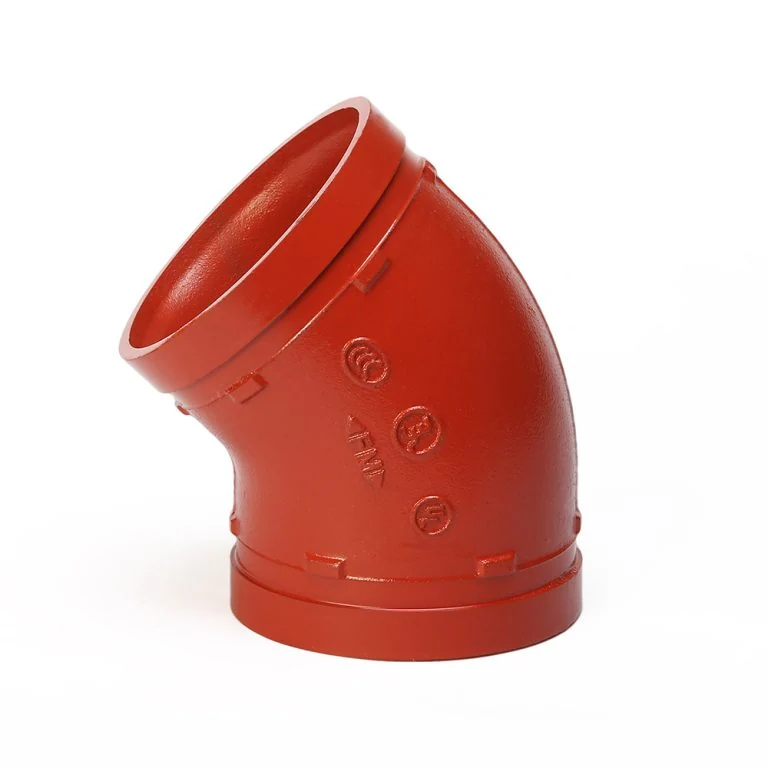
Create a dedicated 90 degree elbow schedule
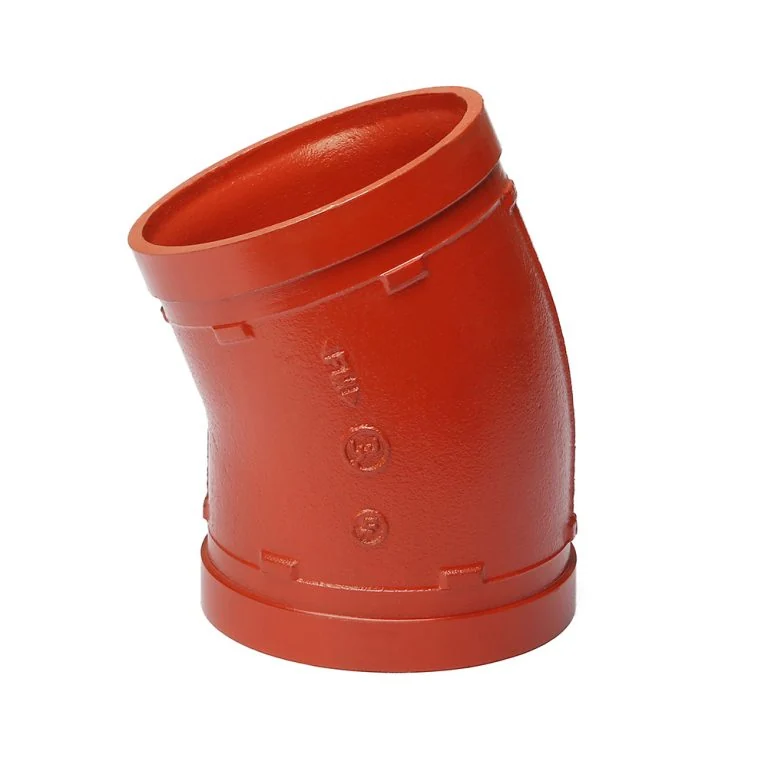
Begin the elbow schedule with the drawing reference, required angle, size and quantity. Keep the angle visible even when the model already appears in the same row. Ask the takeoff team to preserve the distinction between angle categories when consolidating several drawings. If an exported list uses a short description such as 'elbow,' return to the drawing owner for clarification before assigning those entries to XGQT03.
Consider a purchasing package assembled from different floors or work areas. Give each area its own reference and retain that reference when identical requirements are combined for pricing. Ask whether the project wants a consolidated commercial quantity, separate deliveries by area or both views. A supplier can be asked to quote against the combined list, while your internal schedule records where each quantity originated. Keep the relationship visible so revisions can be reconciled later.
Don't let a count become a design decision. If the route drawing is preliminary, identify the elbow lines as preliminary too and request a response appropriate to that stage. Ask your engineer to confirm the final angle and selection before an order is released. Where an item has been added as a purchasing allowance, record it separately from measured quantities. Use that separation in purchasing discussions, and keep a provisional takeoff identified as provisional.
Ask for the dimensions your layout reviewer needs
The product name and catalogue range provide a starting identity. For layout review, ask for the applicable dimensional information for the exact XGQT03 size being considered. Tell the reviewer which drawing references and dimensions need checking. If a proposed location is constrained by an adjacent item, submit a marked drawing and ask your technical team to identify the clearance questions. Avoid describing the elbow as suitable for that space before those questions have been answered.
Ask your reviewer whether the plan view contains the information required for review. Ask whether the inquiry should include an elevation, a section or a connection detail, and label each attachment clearly. Mark the intended connection points rather than expecting the supplier to infer them from a large drawing set. Include the drawing revision in the item schedule. When a revised layout changes a connection position, ask whether the earlier dimensional response still applies to the revised request.
For a replacement purchase, provide the available identification and relevant dimensions of the existing item, together with photographs for context. Ask for a review of the proposed replacement rather than stating that visual similarity establishes equivalence. If a dimension cannot be checked at the site, flag it as missing. You can request an initial identification response while leaving final suitability open for the responsible engineer to determine after the missing information is available.
Keep connecting items visible in the purchase scope
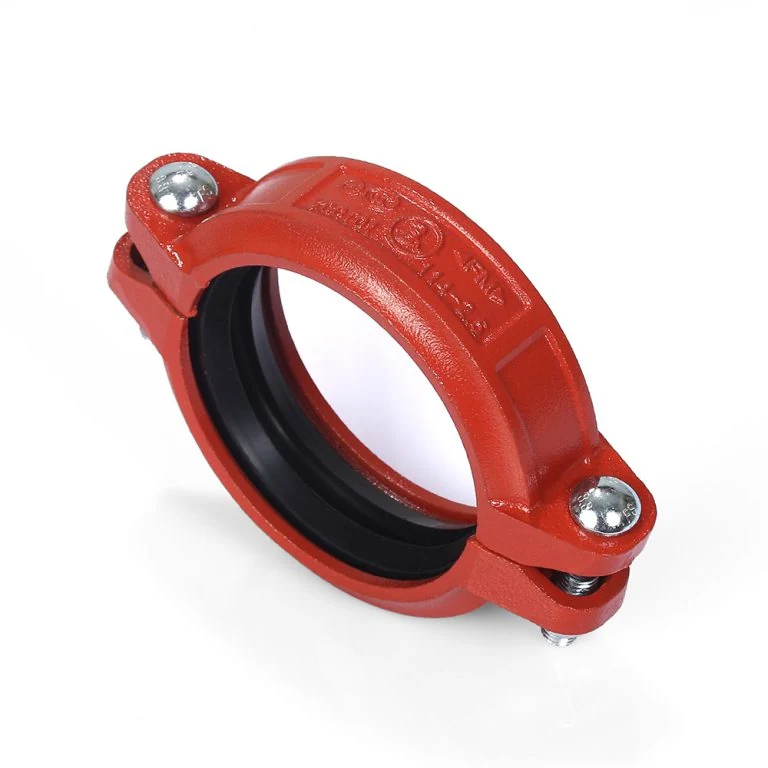
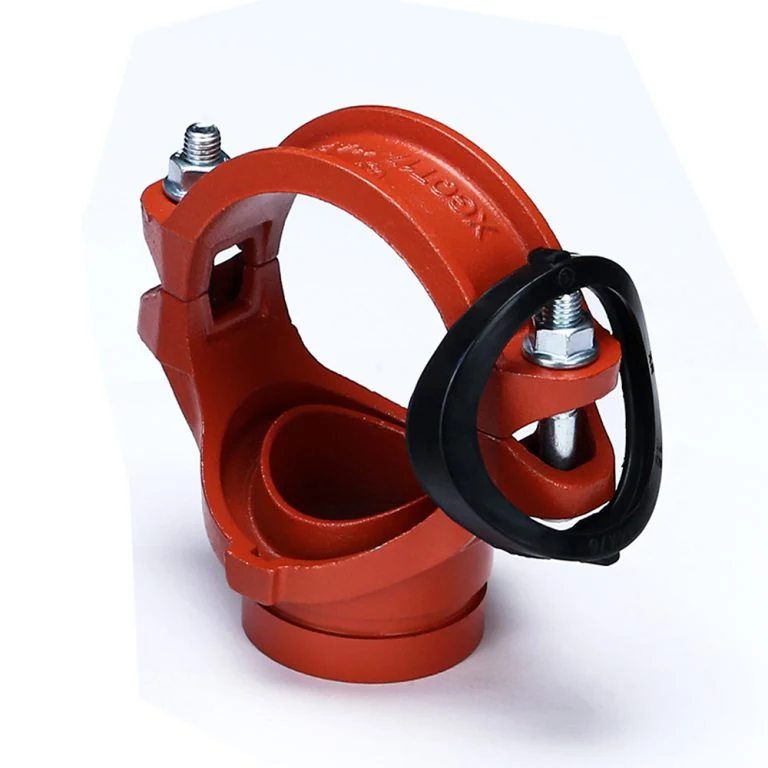
Tell the supplier whether you are asking for the elbow alone or for a broader package that includes related connection items. List any associated products on their own purchase lines. Ask for the offered contents and exclusions to be clear, especially where a photograph shows more than the individual item named in the quotation. The XGQT03 model reference should remain attached to the elbow line throughout the exchange, even if a larger assembly is being discussed.
Where connecting items will be supplied by your own team or a separate contractor, attach their relevant identification and ask what information is required for a connection review. Make ownership explicit: which party will answer questions about the pipe, the adjoining fitting and the proposed joint? Direct technical questions to the named contact, and attach another contractor's applicable specification when requesting interface review.
If you want a shipment organized around work areas, submit the proposed area breakdown and ask what arrangement can be agreed. Distinguish fitting quantities from any requested accessories and spares. Ask your receiving team whether they need the original drawing tags on packing information. That request can then be discussed during quotation review, instead of appearing after the commercial scope has been settled and the purchasing team has already planned distribution to the site.
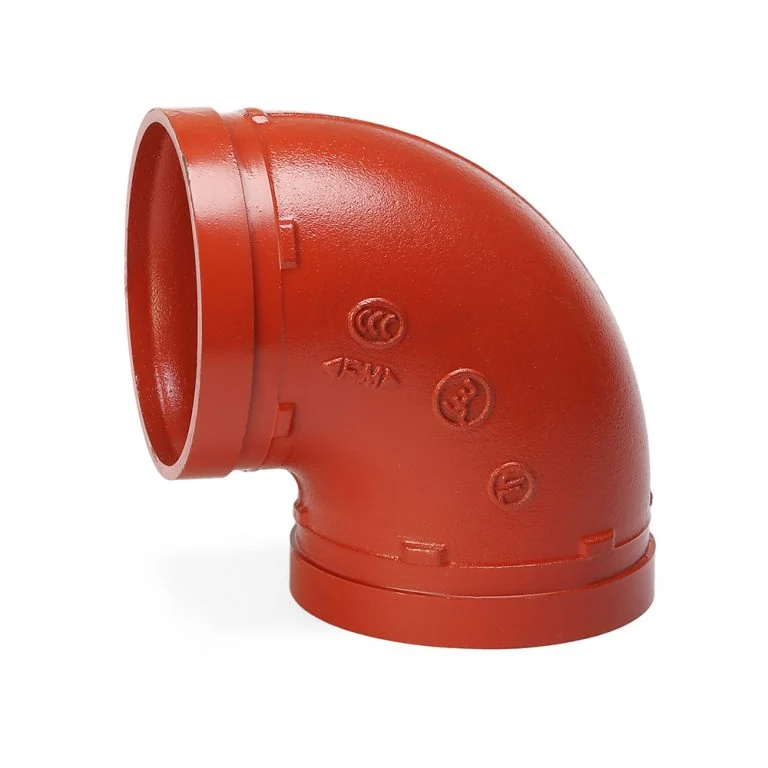
Reference this model in your product list. Add the exact requested size and quantity, then identify any documents you need for review.
Include this model in your inquiry →Turn a project specification into clear questions
Attach the parts of your project specification that apply to the proposed elbow and identify the requirements you want answered. Ask your engineer to state the service conditions, required material information and any applicable acceptance criteria. Present pressure, temperature and medium details as project requirements for confirmation. No value for those properties is established by the catalogue range on this page, so don't use the range as a substitute for a technical response.
If an approval submission is needed, name the documents that the reviewer expects and ask whether they can be supplied for the offered item. Specify whether drawings, product identification information or particular compliance records are required. Ask the supplier to identify any exceptions in its response. Keep the document request tied to XGQT03 and the requested size, rather than accepting a general statement that may refer to another product or a different configuration.
Your technical reviewer may use terminology that differs from the catalogue description. Include the original requirement in the inquiry and ask for a written comparison where clarification is needed. Don't remove a requirement simply to make a quotation look complete. Record the question, the supplier's answer and the project decision separately. Compare commercial proposals against the recorded project decisions, and keep unanswered requirements open for engineering review.
Control changes between takeoff and order
Give the inquiry schedule a revision identifier. When a drawing changes, issue a revised schedule that shows which elbow lines changed and which stayed the same. Ask the supplier to reference the current revision in its quotation. If your team works from several spreadsheets, name one schedule as the purchasing reference so that a later quantity update is not confused with an earlier request containing similar descriptions.
Check whether a revision changes the angle, the size, the quantity or the location. Check each of these points separately. An edit to a drawing tag should not automatically be interpreted as a new item, and a new angle should not be hidden inside an unchanged description. Ask the takeoff owner to explain the difference and confirm which existing quotation lines must be revisited. Preserve earlier responses as records while making the active request unmistakable.
For staged purchasing, identify which lines are ready for release and which remain subject to drawing coordination. Ask for commercial terms and timing to be confirmed for the proposed release. If a supplier provides an alternative description or proposes a different item, route that proposal back to the engineer rather than changing your schedule silently. An alternative may be worth reviewing, but it should remain a clearly identified proposal until the project has decided what to do.
Make the quotation easy to review and receive
Request a line by line response covering the exact size, requested quantity, offered item description and any exclusions. Ask for the destination, requested timing, packing requirements and commercial terms to be addressed in the quotation. Treat your preferred delivery date as a request until it has been confirmed. If the purchase is still at budgeting stage, state that clearly and ask which details will need review before the final order.
Before you pass the order to receiving, reconcile the description in the purchase record with the accepted quotation. Your team should be able to identify XGQT03 as the 90 degree elbow without relying on memory or a photograph. Include the agreed document requirements and the area references needed for distribution. Ask how any discrepancies should be reported and which project contact should receive questions; define that process within your own purchasing arrangements.
Use the VICAST product catalogue to place XGQT03 in your product selection list, then use the RFQ checklist to gather the attachments. On the contact page, include the model in your message and identify whether you need initial information, a budget quotation or a response for an order ready for review. Attach the current angle schedule. Retain the 90 degree requirement in each response and in the final commercial schedule.
Reconcile tender quantities with the released drawing
If the original XGQT03 inquiry supported a tender, ask the takeoff owner to compare its angle schedule with the drawing now released for purchase. Identify additions, deletions and changes of size against the original line references. Request a new quotation for the current requirements and mark the tender schedule as superseded in your purchasing record.
Ask the commercial reviewer to confirm whether the new response addresses the same destination, document requirements and component scope. Keep any change in those requirements visible beside the quantity changes. If an allowance in the tender is no longer needed, obtain the project decision before removing it. If a new allowance is requested, describe its purpose and record its approval separately. Use the updated schedule, rather than the earlier total, when preparing the order request.
Purchasing questions
How is XGQT03 identified in the catalogue?
It is the VICAST 90 Elbow, with a listed range of 1–12 inches / DN25–DN300. Use both the model and the angle description in your inquiry. Ask for confirmation of the exact size and configuration; a catalogue range does not establish availability of every intermediate size or provide a complete dimensional specification.
Should I combine all elbow angles into one RFQ line?
Keep each requested angle identifiable. You may send a single inquiry containing the full elbow schedule, but preserve separate item descriptions and quantities for the angles specified by your project. Ask the drawing owner to resolve ambiguous entries before treating them as XGQT03 requirements.
Can the catalogue name confirm the elbow will fit my layout?
Ask for the applicable dimensions and have your layout reviewer compare them with the project drawings. Include connection references and any relevant space constraints. The product name identifies the requested item; it does not establish clearance, connection compatibility or approval for a particular location.
What should I do if the drawing changes after quotation?
Send a revised item schedule, identify the affected lines and ask for a quotation that references the new revision. Obtain confirmation of the updated size, angle and quantity as applicable. Keep technical approval and commercial confirmation visible so your buyer can tell which lines are ready to release.
Catalog reference: VICAST XGQT03 product listing. Size range is a catalog reference; confirm your exact order requirements.