Preserve the full angle in every buying document
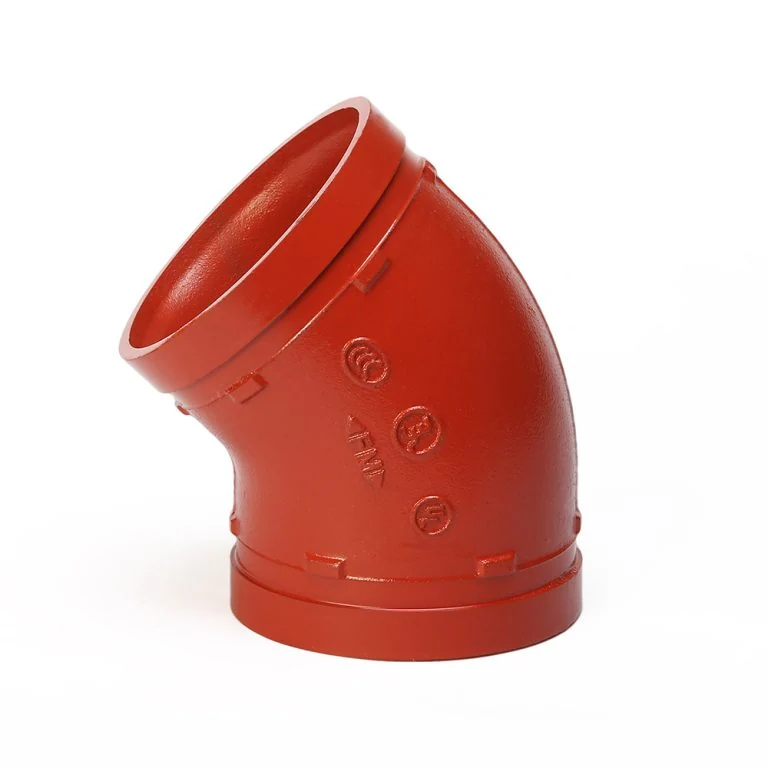
Start with the description on the project drawing and ask the author to clarify any ambiguous angle notation. If XGQT05 is the intended item, write the model and 22.5 degree description in the purchase schedule. Avoid shortening the item to 'small angle elbow' or relying on a local abbreviation that another party may not recognize. Keep a readable description even when your purchasing system assigns its own internal stock code.
Check the schedule after moving information between a drawing takeoff, a spreadsheet and an order system. Ask the person preparing the inquiry to confirm that decimal angle text has been retained and that the product model has not been dropped from shortened descriptions. Where a customer uses different notation, include their original reference and the catalogue description together. The aim is to give the supplier an explicit identity question, not a puzzle about how a shortened description should be interpreted.
Treat an unclear entry as a question. If the drawing shows an angle requirement but the material list uses a different description, ask the design owner to resolve the discrepancy before assigning a product. Record the answer against that line and use the corrected description in later correspondence. Don't round an angle, infer the intended item from a photograph or adopt the nearest familiar stock description simply to complete the buying list.
Link the requested elbow to the actual drawing position
Give each XGQT05 requirement a drawing reference and a location tag. Ask your technical team to mark the intended connection points and identify which layout information should accompany the inquiry. For a route under coordination, state whether the requested fitting position is fixed or still being considered. State whether the requested response is for an option study or for a purchase ready for technical review.
If several angle changes appear close together, list each requested fitting separately and ask the drawing owner to confirm the count. Keep the individual product inquiry distinct from any description of the overall route. The angle in the product name does not establish the completed route geometry, dimensions or suitability. Request the applicable product information for the exact size and let the project reviewer evaluate it against the proposed arrangement.
Select the attachments with your project reviewer before issuing the inquiry. Ask the reviewer which extracts provide enough context, and include the drawing title and revision on those extracts. Mark related items as background when they are outside the inquiry scope. If a later drawing changes the proposed position, flag the corresponding purchase line for review. Keep the previous correspondence available, but make clear that the new drawing is the basis for the next response.
Separate confirmed quantities from design options
For a mixed angle purchasing package, keep XGQT05 quantities on identifiable lines rather than merging them into a general elbow total. Show the required size, quantity and originating area. If your team combines identical lines for quotation, retain the detailed takeoff behind the total. Ask the quantity owner to explain how provisional items and any approved spare allowance are represented. A commercial total should not conceal which requirements remain unresolved.
Imagine a coordinator asks you to price a route option while the original route remains under review. Label the option, attach its own item list and request a separate response. Do not add both options to the order quantity unless your project explicitly requires both. Ask who will select the route and how that decision will be communicated to procurement. Request a clear release instruction for the buyer when the design discussion ends.
When quantities change, issue a revised schedule and identify the affected lines. State whether the revision replaces the entire inquiry or only named items. Ask the supplier to acknowledge the revision in its response. Identify changes in the distribution by size even where the product descriptions remain unchanged. Your comparison should show the current requirement beside the current offer, rather than combining a new quantity list with an earlier commercial response without explanation.
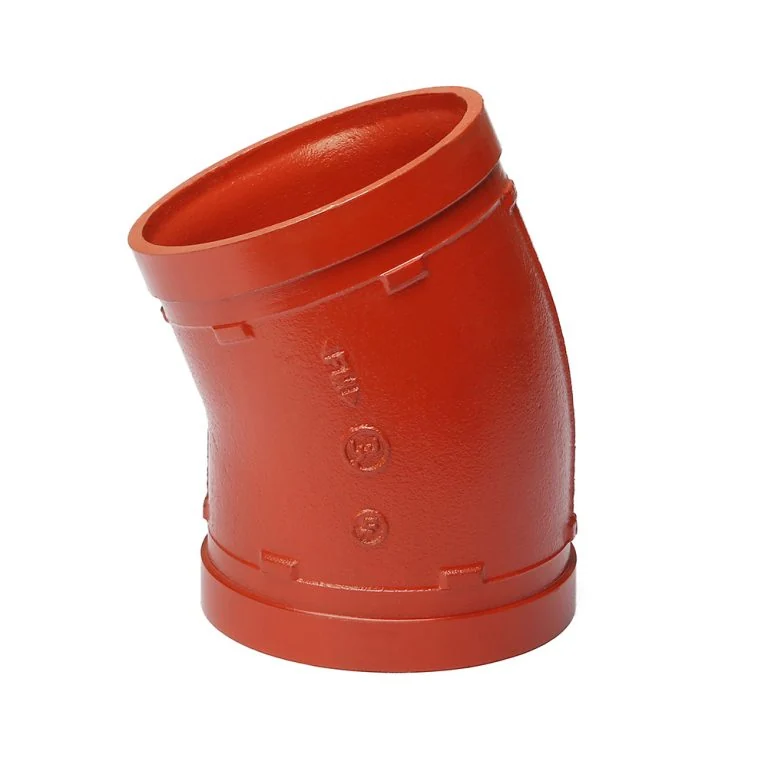
Reference this model in your product list. Add the exact requested size and quantity, then identify any documents you need for review.
Include this model in your inquiry →Ask precise questions about size and interfaces
The catalogue range is 1–12 inches / DN25–DN300. Use the range to identify the product family, then state the actual size you want reviewed. Ask for the applicable dimensional details and connection information for that proposed item. Do not assume the range confirms every intermediate size or use it to infer a dimension that is not stated. If your drawing uses another size designation, submit it unchanged and ask your technical team to establish the intended correspondence.
Provide information about the proposed mating items and tell the supplier which are included in the request. If pipe or connection components will come from another source, identify them and ask what information is needed for review. Request clarity about any associated components shown in a proposal. An elbow quotation should state its scope; don't assume a photograph or an assembly discussion means that all neighboring items are included in the price.
For replacement work, ask the site team to gather reliable identification details before requesting an equivalent. Include photographs as supporting context and distinguish measured information from estimates. If access prevents a required check, say so. Ask what can be established from the available information and what must wait for further inspection. Keep final selection with the responsible reviewer rather than presenting an uncertain field description as a fully defined order item.
Make technical and document requirements answerable
Ask your engineer to supply the service requirements relevant to the proposed elbow, including the medium and required operating conditions. Attach the applicable project specification and identify the items that need a response. A catalogue name and size range do not provide a pressure rating, a temperature limit, a material grade or certification. Request the information required for your particular selection instead of inserting assumed values into a purchasing description.
For a customer approval package, list the documents the customer expects and identify the stage at which they are needed. Ask whether suitable product drawings or compliance information can be supplied for the offered XGQT05 size and configuration. Keep a request for a document separate from a statement that the document exists. If something cannot be confirmed, ask for that limitation to be stated so your reviewer can make an informed decision.
When a supplier's answer raises another question, keep the exchange linked to the original requirement. Ask for clarification in specific terms: which item, which size, which drawing and which condition needs an answer? Avoid collecting broad assurances that cannot be tied to the proposed order. Your buyer should be able to hand the completed record to a technical reviewer who was not part of the email exchange and still show exactly what was requested and answered.
Prepare a clean order and receiving description
Request a quotation that uses the XGQT05 model and full angle description, with separate responses for each size and quantity. Provide the intended destination and requested timing, then ask for the commercial terms, lead time and minimum order requirements applicable to the inquiry. If you need phased releases, describe the proposed stages and ask what can be agreed. Do not turn a requested date into a promised delivery date in your internal schedule.
Review descriptions as carefully as totals before issuing an order. Ask about any quotation line that omits the angle or changes the item reference. Where your internal system truncates text, use the supporting schedule to preserve the full description and ensure the supplier receives it. Ask whether packing information can include your item references if receiving depends on them. Confirm the agreed arrangement and keep it with the purchase record.
At handover, give the receiving team the accepted size schedule and any agreed document requirements. Ask them to raise identification discrepancies against the purchase line instead of guessing from appearance. To prepare your inquiry, consult the VICAST product catalogue and the RFQ checklist, then contact VICAST with XGQT05 in the message. Include the current drawing reference and explicitly flag unresolved angle, size or quantity questions. Ask for those outstanding questions to be addressed in the next response.
Specify the description used for customer approval
If you are submitting a proposed XGQT05 selection to a customer, ask the customer which item reference should appear in the approval record. Retain the full 22.5 degree description and complete model beside that reference. Include the requested size and the drawing location, and ask for the response to identify precisely which selection has been reviewed.
Keep approval of the product identity distinct from acceptance of the complete route. If the customer approves only a document or preliminary proposal, preserve that limited scope in your purchasing notes. Ask what further information is required before release and who will provide it. When the final schedule is issued, reconcile it with the customer response instead of assuming that an earlier approval covers every revised size, quantity or drawing position.
Purchasing questions
What is the exact angle description for XGQT05?
The catalogue identifies XGQT05 as the VICAST 22.5 Elbow. Keep the full 22.5 degree description with the model in your request. If the project drawing or material list uses a different description, ask the drawing owner to clarify it before assigning the item to a purchase line.
What size range should I use as the catalogue reference?
The listed range is 1–12 inches / DN25–DN300. Ask for confirmation of the exact size and configuration needed for your order. The range does not confirm every intermediate size, current availability, dimensional details or suitability for the intended service.
Can I use the stated angle to approve an entire route?
Request the product dimensions and have the responsible engineer review the complete arrangement. The angle description identifies the elbow but does not confirm the finished route geometry, connection details or clearances. Include marked drawing extracts so the request can be evaluated against the actual proposed positions.
How should I request pricing while route options remain open?
Give each option its own reference, drawings and item quantities. Ask for separate responses and identify which quantities are provisional. Once the project selects an arrangement, issue a revised purchasing schedule and request confirmation against that schedule before using the quotation as the basis of an order.
Catalog reference: VICAST XGQT05 product listing. Size range is a catalog reference; confirm your exact order requirements.