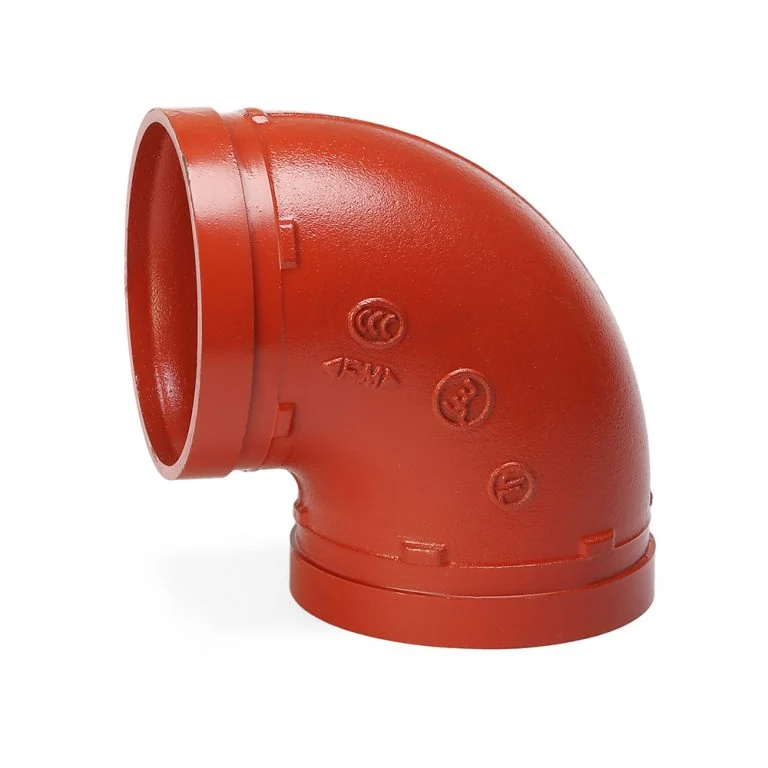
Describe the route that generated the requirement
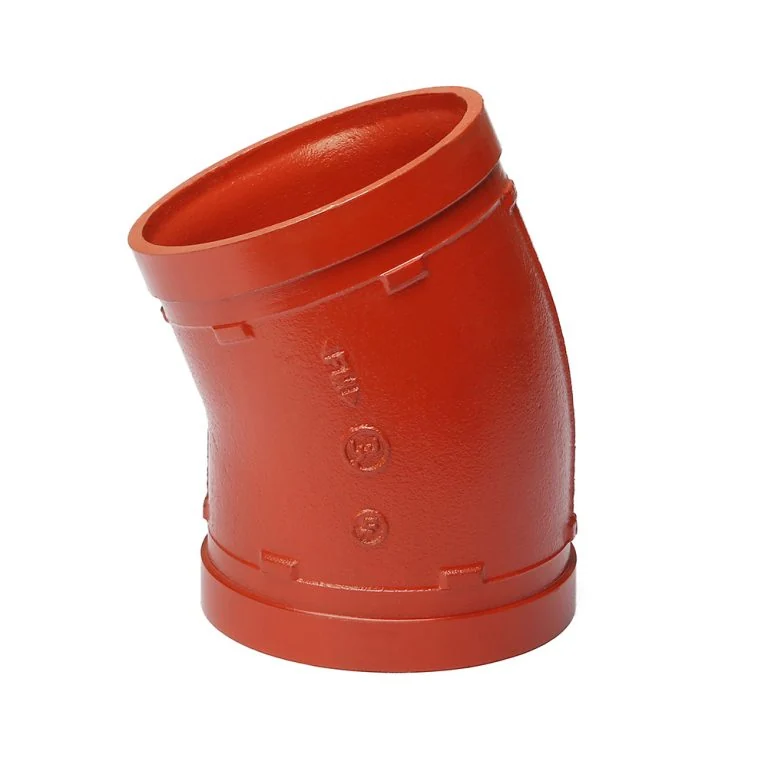
If your drawing specifies a 45 degree elbow at a change in direction, identify that position in the inquiry. Attach the relevant portion of the route and mark the fitting reference. Ask the drawing owner to confirm that the angle is intentional before extracting the quantity. Label the sketch to distinguish the proposed elbow from nearby components or alternative routes still under discussion.
For an offset proposal, ask your engineer to identify each required fitting and the information needed to review the arrangement. Don't assume that selecting an angle determines the complete arrangement or its dimensions. Submit the proposed geometry as a project requirement and request the product information your reviewer needs. Keep the engineer's layout decision separate from the supplier's response about the particular XGQT04 item being considered.
Explain the stage of the drawing. Identify whether you are sending a tender concept, a coordination sketch or a released purchasing drawing. State whether you need identification, dimensional information or a quotation against an established selection. If the route could still change, identify the affected items as provisional. Specify the question you want answered now, and keep early discussions separate from authorization to place an order.
Count individual elbows rather than unnamed sets
If your drawing package uses a local name for a route arrangement, explain that name in the inquiry. In your purchasing schedule, expand that name into the individual items you actually want quoted. Ask the takeoff owner to confirm the number of XGQT04 elbows associated with each arrangement, and show the unit of measure. If your team also uses a set quantity for planning, keep it in a separate column with a clear relationship to the fitting quantity.
Keep the model, size, angle and drawing location together while consolidating repeated items. Where identical requirements appear in different areas, retain an area breakdown behind the combined quotation line. Ask whether the order should be supplied as a consolidated quantity or discussed in stages. Ask the takeoff owner to provide drawing references for every quantity passed to procurement, including revised totals.
If a spare allowance is part of your purchasing policy, label it separately and ask the project owner to approve it. Don't invent an allowance from the catalogue range or copy one from an unrelated order. The same applies to quantities for mockups or evaluation: describe the intended purpose and ask what can be offered. Submit the quantity schedule for commercial review and ask for confirmation of the proposed supply arrangement.
Coordinate dimensions without assuming a fit
Ask for applicable dimensions for the exact XGQT04 size under consideration. Your layout team should identify which dimensions matter to the proposed route and what references should be used when reviewing them. If there are neighboring items or space constraints, show those on the attachment and ask whether further information is needed. Do not use a catalogue picture as a scale drawing or derive an order dimension from its appearance.
When a layout discussion involves several parties, name the person responsible for the overall route and the person responsible for each interface. Ask them to agree which drawing revision should accompany the inquiry. A response based on an older sketch should be rechecked when the arrangement changes. Record the drawing reference beside the product question so that a later email containing a dimension can be understood without relying on the sender's memory.
For an existing installation, supply the identification details and checked measurements your technical team can obtain. Explain what the replacement is expected to connect to and which information remains uncertain. Request a review of the proposed item rather than asking for a visually similar elbow to be sent immediately. Ask your reviewer to decide what evidence is sufficient to confirm the required size, arrangement and connection details before release.
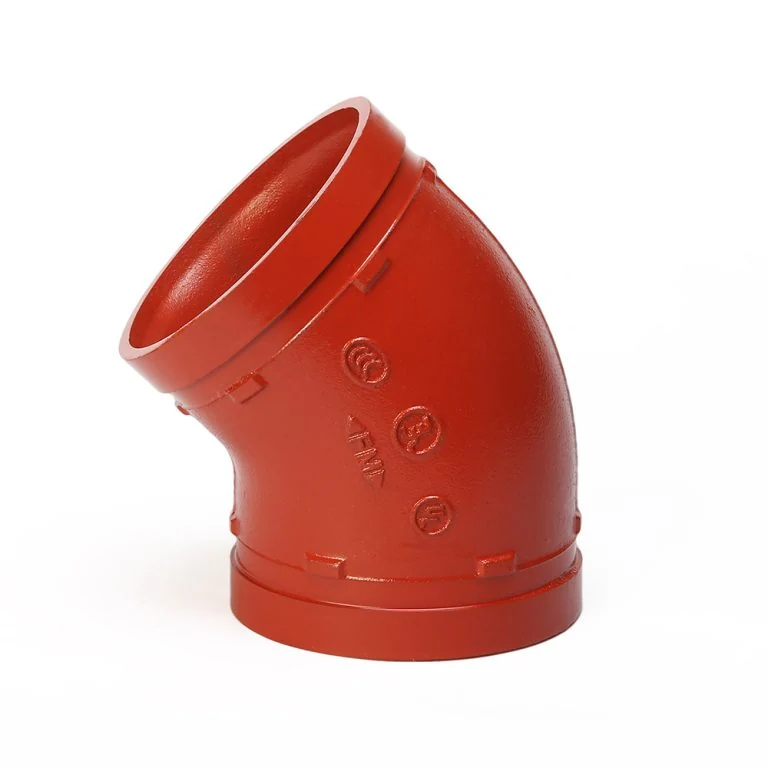
Reference this model in your product list. Add the exact requested size and quantity, then identify any documents you need for review.
Include this model in your inquiry →Keep alternative arrangements outside the base request
If you are comparing route options, label them as options. Give each one its own list of requested items, drawings and quantity assumptions. Ask the supplier to respond to each option separately where a quotation is needed. Keep fittings from unselected alternatives outside the active purchasing total. The project engineer should decide which route to adopt; a price comparison does not by itself determine that decision.
Don't assume that combining angle descriptions creates an interchangeable assembly. If your team wishes to consider a different arrangement, request a technical review against the actual project requirements and submit the proposed details. Keep XGQT04 identified as the 45 degree elbow wherever it appears in the option schedule. Any different angle or product proposed during the discussion should receive a distinct description so it cannot accidentally replace the original item during order entry.
Once a route is selected, issue a clean purchasing schedule that identifies the accepted option and marks earlier options as superseded. Ask the supplier to confirm the basis of its revised quotation. If some locations remain unresolved, separate them from the released scope. Your buyer should not have to infer which marked up sketch represents the final decision, particularly when email threads contain several similar arrangements with different quantities and connection references.
Request the evidence your project needs
Provide the service conditions and acceptance criteria that your engineer wants reviewed for the proposed 45 degree elbows. Ask for a response to required material information, pressure and temperature conditions, medium details and relevant project specifications. These requirements are questions for the actual offered item. The catalogue range on this page should not be used to infer performance, suitability, a material grade or a certification for your application.
Name any required drawings or compliance documents in the inquiry and ask whether they can be provided for the offered model and size. If your approval process has document deadlines, state those as requested dates. Distinguish the need to review information before ordering from the need to retain records with a shipment. Ask the supplier to make any document limitations clear so your team can decide how to proceed before accepting the proposal.
A distributor preparing a quotation for a customer should carry the customer's requirements through to the inquiry without adding unsupported promises. Ask the customer to identify missing service information and clarify any terms that could refer to different products. Preserve the supplier's exact scope in the customer proposal. If a technical question remains open, keep it open in the quotation record instead of turning a conditional response into an unconditional statement about the elbow.
Close the inquiry with a usable commercial schedule
Request a response that retains your line references and states the proposed item, exact size and quantity. Include the destination, preferred delivery timing and any staged order plan. Ask for pricing, minimum order requirements, lead time and packing details to be confirmed for your request. Where your plan depends on site sequencing, explain the sequence as a requirement to discuss rather than a delivery commitment already made by VICAST.
During quotation review, reconcile the base route schedule with the offered quantities. Ask about omitted lines, changed descriptions and separately priced items before comparing totals. Keep associated connection components visible if they are part of your request, and identify any buyer supplied items. If a quotation uses the word 'set,' ask what the set contains and how its quantity relates to the individual elbows in your approved takeoff.
Before release, hand the receiving team a product list that includes XGQT04, the 45 degree description, the accepted sizes and the agreed quantities. Ask whether area or route references should appear on the packing information, and confirm the arrangement in writing. To start the process, review the product catalogue and RFQ checklist, then send the current drawing schedule through the XGQT04 contact link. Clearly state which questions need answers before your buyer can proceed.
Keep paired layout references traceable
Where your engineer describes related elbow positions as a pair or route group, preserve that group reference alongside the individual fitting lines. Ask whether each position has been checked against the same drawing revision and whether any associated item belongs to another purchase package. Submit the grouping as context for review; do not treat a group label as confirmation of a complete assembly.
For an updated route, ask the coordinator to identify whether the change affects all positions in the group or only named fittings. Carry that answer into the quantity revision and request a quotation that reflects the current schedule. If your receiving team plans to issue goods by route group, propose the grouping during the packing discussion and ask for confirmation. Retain individual XGQT04 sizes and quantities in the receiving record even if the supplier agrees to a grouped packing arrangement.
Purchasing questions
What size range is listed for XGQT04?
The VICAST 45 Elbow XGQT04 has a catalogue range of 1–12 inches / DN25–DN300. Ask for confirmation of the exact size and configuration you require. The range identifies the catalogue scope; it does not confirm every intermediate size, an assembled arrangement or current availability for your quantity.
How do I describe elbows used in an offset proposal?
Submit the relevant drawing and list each requested elbow with its model, angle, size and quantity. Ask your engineer to confirm the arrangement and identify the dimensions needed for review. If you also use an internal set count, explain how that count relates to the individual fittings you want quoted.
Can I compare another route arrangement in the same inquiry?
Yes, you can request separate responses for clearly labeled options. Give each option its own drawings and quantities, then keep the base request distinct from alternatives. Have the project engineer select and approve the arrangement before converting an option into the purchasing schedule.
What should a replacement inquiry include?
Provide available product identification, checked dimensions, photographs for context and details of the intended connections. Flag missing information. Ask for review of the proposed XGQT04 item and request the dimensions your technical team needs. Do not treat visual resemblance or a matching angle description as confirmation that a replacement is suitable.
Catalog reference: VICAST XGQT04 product listing. Size range is a catalog reference; confirm your exact order requirements.