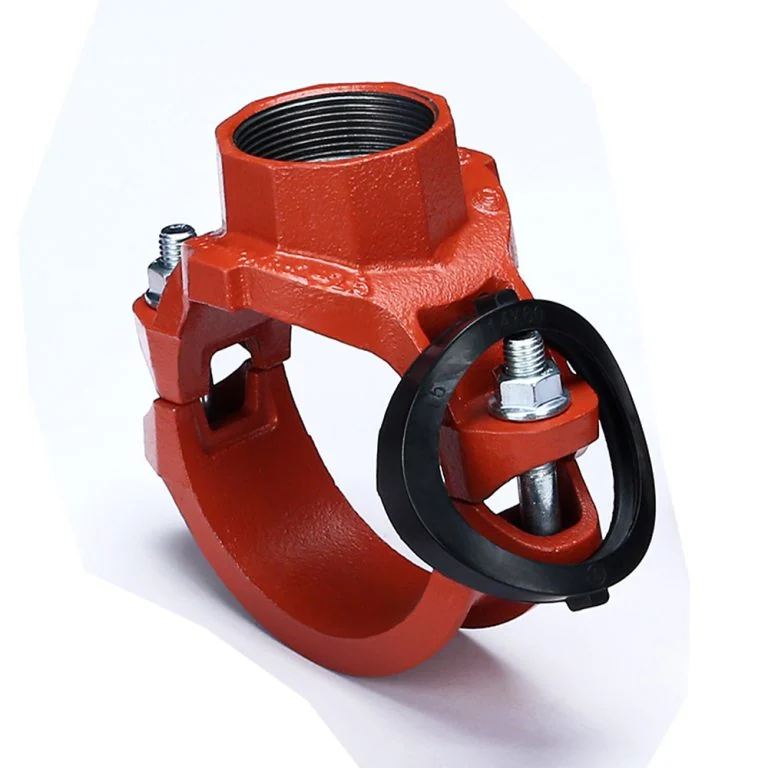
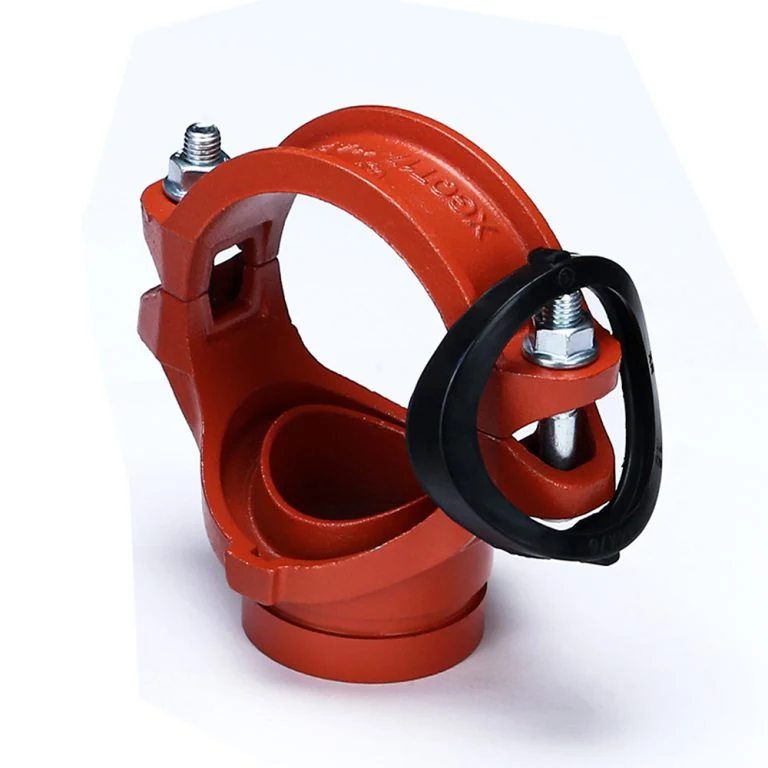
Confirm that the mechanical tee family is already settled
This guide assumes you have identified a mechanical branch outlet as the requested family. If you are still deciding whether the drawing calls for that family or a separate tee body, use the mechanical tee and full-body grooved tee comparison first. Resolve that question before comparing outlet descriptions, so the supplier does not have to interpret two different uncertainties in the same item line.
Within the mechanical outlet product family, keep the requested connection in a dedicated field. A draft line could read: mechanical tee; proposed model; run size; branch size; outlet requirement; counterpart drawing. Treat each semicolon as a separate answer. If the branch connection is undecided, identify that as an open design question rather than asking the supplier to choose it silently.
Your goal is a reviewable proposal. Ask the supplier to state what they are offering, while the project team confirms what is required. Keep those responsibilities visible on the inquiry sheet, especially when several people contribute drawings, quantities, and purchasing terms.
Keep run size, branch size, and model in separate fields
Name the run pipe and the branch separately in the request. Put the corresponding size description beside each label, and attach the document from which it was taken. Avoid compressing the information into one unlabelled number. If the drawing or parts schedule is unclear, ask its author to clarify it before using a catalog range to fill the gap.
VICAST lists the XGQT15S threaded mechanical tee with a catalog range of 1–10 inches / DN25–DN250. Its XGQT15 Mechanical Tee entry lists 1½–10 inches / DN40–DN250; see the XGQT15 grooved outlet reference for that model's product page. Use these as catalog identifiers, then ask which exact configuration is being proposed for your item.
A range does not answer every purchasing question. Request the ordered run/branch combination in writing instead of assuming that every combination within a published span is offered. Also ask the supplier to keep the model identifier on the quotation. That gives the buyer a direct way to compare the reply with the original request, without relying on a generic description shared by several entries.
For a threaded outlet, ask for the designation and its document
Threaded is a starting description. Ask the project reviewer to identify the required thread designation and the relevant drawing or specification, then ask the supplier to state the designation offered. Keep the request and response in separate columns. This exposes an unanswered field without turning it into an assumed match.
ASME's public B1.20.1 description addresses dimensions and gaging for NPT, NPSC, NPTR, NPSM, and NPSL pipe threads. ISO's published scope for ISO 7-1 concerns pipe-thread designation, dimensions, and tolerances. Cite the required standard and designation if your project specifies them; do not replace them with a broad phrase such as standard thread. Keep the named project requirement beside the offered designation on the comparison sheet, and ask for a product document that the reviewer can check against it.
Include the mating component's reference when requesting clarification. Ask which document should be used to review the proposed connection and who will resolve any discrepancy between the project requirement and the supplier's drawing. Don't infer interchangeability from these standards' titles, a similar nominal size, or the word threaded on both catalog pages. The unresolved question belongs on the review list until the responsible parties answer it.
For a grooved outlet, request the interface drawing
For the grooved option, ask the supplier to identify the proposed outlet on the product drawing and supply the relevant connection details for review. Provide the counterpart drawing or product reference you want considered. Ask the project reviewer which groove-related requirements should be checked, and request a written response to those requirements rather than a general assurance that the fitting is suitable.
Ask the project reviewer to identify any required groove standard, dimensional tolerance, and counterpart reference. Add those requirements to the inquiry with their document references, then request an itemized supplier response. Keep unanswered details on the review list before acceptance. Label the proposed configuration clearly on the returned drawing so the buyer can associate the reply with the correct purchase line.
If the supplier proposes another connection or an additional component, ask for the revised item scope to be shown explicitly. Keep the requested option and the proposed alternative on separate lines until reviewed. Keep any proposed change pending until it has been reviewed, then update the description used to compare quotations.
Build one comparison sheet for both quotations
Send the same set of project requirements to each supplier, with the outlet-specific questions clearly marked. Use the table below as the starting point for your comparison sheet. Fill its requirement column from your project documents; have the supplier fill the offered-item column; leave the review decision to the responsible project reviewer.
Do not combine technical exceptions with commercial notes. If an offered interface differs from the requested one, record the difference before comparing price. If a document is missing, ask for it directly. Keep the revision date with the quotation so a later reply does not get compared against an earlier requirement by mistake.
| Field | What to put in the request | What to obtain in the reply |
|---|---|---|
| Product identity | Mechanical tee family and candidate model | Exact offered model and configuration |
| Run and branch | Separately labelled required sizes | Written confirmation of the proposed combination |
| Threaded option | Required designation and source document | Offered designation and supporting drawing |
| Grooved option | Required interface details or reviewer questions | Identified outlet drawing and itemized response |
| Counterpart | Relevant mating component reference | Response to the requested interface review |
| Exceptions | List of unresolved questions | Clearly separated deviations and open items |
Turn the comparison into an itemized RFQ
Before requesting final terms, read the item as someone who was not involved in the earlier conversation. Can they find the intended model, the run and branch sizes, the outlet requirement, and the drawing reference? Can they distinguish a confirmed answer from a question still awaiting review? If not, revise the item description before forwarding it again.
A useful request might say: Please quote the identified mechanical tee configuration against the attached drawing, state the offered outlet designation, and list any departures from our item description. Add the quantities and requested documents separately. Ask the supplier to reference the item number in each clarification, and keep any proposed changes beside the original requirement for review.
You can prepare an itemized fitting RFQ using the general checklist once the interface questions are organized. Retain the final clarification sheet with the accepted quotation. If the model, outlet, or counterpart later changes, reopen the affected review fields instead of assuming that the previous response covers the revised request.
Questions buyers ask
Which outlet should I choose if the drawing only says mechanical tee?
Ask the project reviewer to identify the intended branch connection and counterpart. Keep the outlet field open until clarified. You can request catalog references for discussion, but do not turn a supplier's proposed option into the project requirement without review.
Does the word threaded establish NPT compliance?
Ask for the specific offered designation instead of accepting threaded as the complete answer. ASME B1.20.1 covers several named thread types, including NPT. Have the project reviewer identify the required designation, then ask the supplier for the corresponding product document and a clear response to that requirement.
Can I compare the two outlet options on price alone?
First have the intended interface and proposed item identified. Ask for exceptions and unresolved questions to be listed separately, then compare quotations against the same clarified requirements. If an alternative is proposed, obtain the project reviewer's decision and update the item description before requesting final commercial terms.