Start with a branch register
Create a register of the locations where your drawing calls for an equal tee. Give each location an item reference and attach the relevant drawing number, revision and area. Ask the drawing owner to identify the intended product type before you assign XGQT07 to the line. Where a general material list says only 'tee,' request clarification instead of assuming that every branch in the package requires the same fitting description.
For each proposed location, ask the technical team to label the intended connections and provide their required sizes. Preserve those labels in the inquiry even if your final commercial schedule uses a shorter description. Use the register to collect questions about the branch location, associated items and missing information. If a drawing is incomplete, mark that location as pending and identify who must confirm it before procurement treats the quantity as ready for order.
Consider a package covering several zones. Request a zone breakdown behind any combined quantity, and ask the takeoff owner to identify entries that appear on more than one drawing. Reconcile those references before consolidating them. Keep the commercial inquiry readable, but retain the detailed register as an attachment. Ask the supplier to use your item references in its response so that technical questions can be returned to the correct branch location for review.
State the connection requirements explicitly
Although the product is named Tee Equal, provide the actual connection size requirements from your drawing rather than relying on the word 'equal' alone. Ask for confirmation of the exact proposed item against those requirements. Use the catalogue range of 1–12 inches / DN25–DN300 only as the family reference. Request the applicable dimensions and connection information for the size you need; do not assume that every size within the stated range is available.
If your project uses different naming conventions for the main line and branch, include a labeled sketch. Ask your technical reviewer to define which label refers to which connection, and carry those labels into any question sent to VICAST. Avoid a string of unlabeled sizes when the drawing owner can provide a clear mapping. Where the requirement changes between drawings, ask the engineer to resolve the difference before converting the description into a purchase instruction.
Tell the supplier which adjacent items are included in your buying package and which are supplied elsewhere. Attach the relevant identification for buyer supplied components when requesting interface review. Ask what further information is needed to assess the proposed connection. Keep that inquiry distinct from a declaration that the complete assembly is suitable. Your project reviewer should determine whether the product information and the proposed arrangement meet the requirements for the intended branch.
Keep equal tees separate from other branch requests
For a package containing different branch arrangements, give each product type its own description. Ask the takeoff team to check the equal tee lines independently from any reducing or mechanical branch items requested elsewhere. Do not transfer a quantity to XGQT07 merely because another item also includes the word 'tee.' If the project proposes a substitution, ask for the proposed product identity and supporting information to be reviewed before changing your buying schedule.
When a distributor receives a customer's mixed list, preserve the customer's original references and add a clear catalogue model where it has been identified. Flag any uncertain entries and request clarification. Ask the customer whether the response is needed for preliminary costing or for an approved product list. Keep any suggested alternative on a separate line, with its acceptance still pending, rather than presenting it as the item the customer originally requested.
For a project team considering different branch layouts, request distinct schedules for the options. Ask the engineer to identify which fittings belong to each option and which common items remain unchanged. Quote the options separately if pricing is required, and issue a clean schedule after a selection is made. Keep the rejected option out of the active quantity total unless your team explicitly instructs procurement to retain it for another defined purpose.
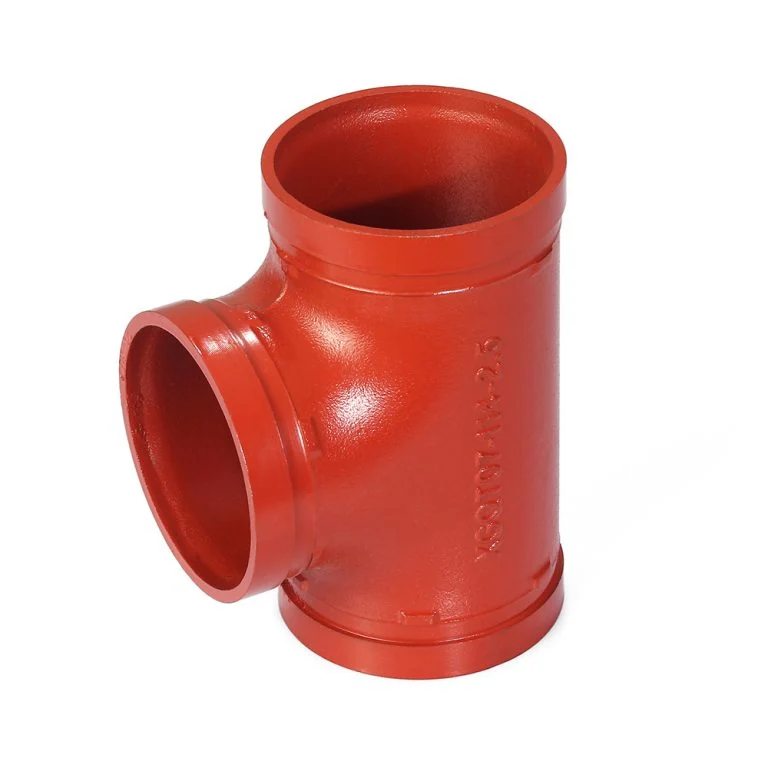
Reference this model in your product list. Add the exact requested size and quantity, then identify any documents you need for review.
Include this model in your inquiry →Count fittings and associated items by responsibility
Record the equal tee quantity as a fitting quantity with a clearly stated unit of measure. If your team uses a branch assembly count, ask the quantity owner to explain which items are included in that count. List associated connection components separately where they are part of the RFQ, and request a quotation that distinguishes the tee from other items. Do not infer included contents from a photograph or from the phrase 'complete branch.'
Ask who owns each related purchase line. For example, your project may allocate pipe, fittings and connection items to different buying packages; if so, identify those boundaries in the inquiry. Submit interface information for review where needed, and name the person responsible for answering questions about items outside the supplier's quoted scope. Keep the requested scope visible in the purchase record so that a later revision does not silently move a component between packages.
If you need stock for maintenance or future work, show it separately from the quantities tied to released drawing locations. Ask the owner of that allowance to specify its purpose and approve the amount. Request confirmation of the sizes and quantities that can be offered rather than assuming the catalogue range is a stocked assortment. For staged orders, identify the proposed release groups and ask for commercial confirmation of the arrangement before treating it as an agreed supply plan.
Prepare a branch specific technical submission
Ask your engineer to identify the service conditions and specification requirements for the branch locations under review. Include the medium, required operating conditions and any requested material or compliance information. Present these as requirements to be answered for the exact offered item. The product identity and catalogue size range do not establish pressure, temperature, material grade or suitability, so leave those matters for a documented response and the project's technical decision.
Request the drawings and other documents that your approval process requires, and identify when they are needed. Ask whether the requested information can be supplied for XGQT07 in the proposed size and configuration. If a general product document is offered, ask your reviewer whether its scope covers the actual selection. Record any limitations or unanswered questions against the affected branch references instead of assuming that a document title closes every technical requirement.
Where your customer has a mandatory specification, transmit the relevant wording with the inquiry. Ask the supplier to identify deviations explicitly, and route them to the customer's authorized reviewer. Avoid replacing a requirement with a broader description simply because the broader wording appears in a quotation. Maintain the original requirement, the offered response and the acceptance decision as distinct entries. Request clarification whenever the product line or drawing revision addressed by an answer is unclear.
Move from the branch register to an order schedule
Once your technical team has identified which branch locations are ready for purchasing, prepare the order schedule from those accepted lines. Include XGQT07, the equal tee description, the exact requested sizes and the quantities. Ask the supplier to retain your references and to state the offered scope, pricing and exclusions. Request confirmation of lead time, minimum order requirements and commercial terms for the actual package rather than copying assumptions from a previous purchase.
Provide the delivery destination and requested timing. If you want the shipment grouped by building, zone or branch package, submit that grouping as a packing request and ask what can be agreed. Ask your receiving team which identifiers should be present in the purchase record and any proposed packing information. Reconcile those identifiers with the accepted quotation before release, especially where several equal tee sizes appear in the same order.
Use the VICAST product catalogue when organizing your product list, and consult the RFQ checklist to gather the supporting information. Send your inquiry through the XGQT07 contact link with the current branch register attached. State whether you need initial product information, a budget response or a quotation for reviewed requirements. Highlight the questions that must be answered before ordering, and identify the project contact responsible for resolving any remaining branch details.
Purchasing questions
What does the catalogue identify as XGQT07?
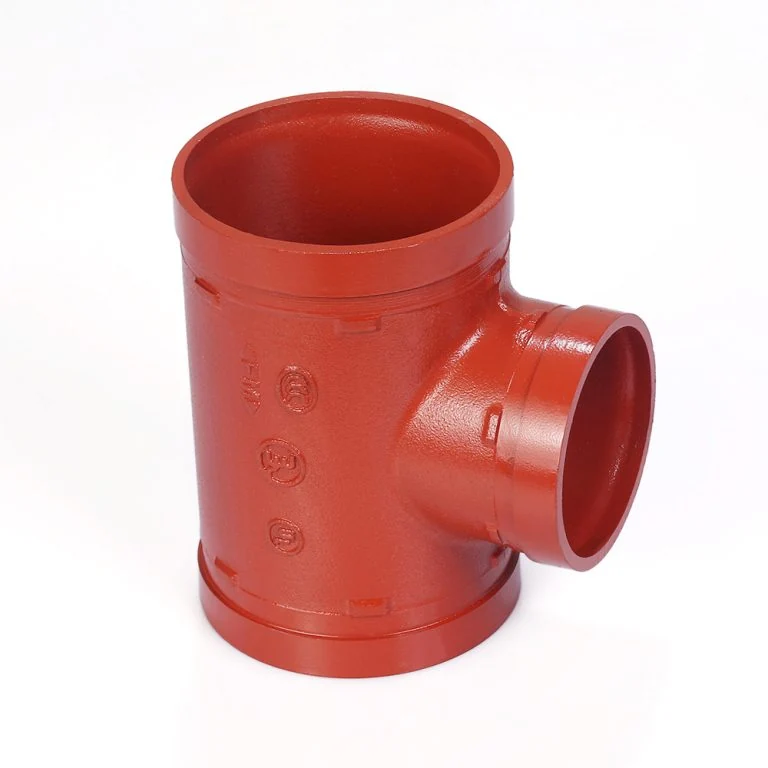
XGQT07 is the VICAST Tee Equal, with a listed size range of 1–12 inches / DN25–DN300. Request confirmation of the exact size and configuration required for your project. Use the full product description in your schedule and keep any other branch products on separate, clearly identified lines.
Should I list the branch connection separately?
Provide labeled connection requirements from the project drawing, including the branch reference. Ask your reviewer to confirm the intended size description and request the applicable product information. Even when the drawing calls for an equal tee, keep the exact requirements visible instead of relying on an abbreviated item name alone.
How can I request tees for several work areas?
Prepare an area breakdown and retain a reference for each location. You can ask for a combined quotation quantity while attaching the area schedule for context. State whether grouping by area is a requested packing or delivery arrangement, and obtain confirmation before planning receipt on that basis.
Can the catalogue description establish service suitability?
Use it to identify the product, then submit the service conditions and project requirements for review. Ask for applicable information about the offered item and have the responsible technical person assess it. No pressure, temperature, material or certification is established by the name and range stated on this page.
Catalog reference: VICAST XGQT07 product listing. Size range is a catalog reference; confirm your exact order requirements.