Create a connection size matrix
Begin with the connection requirements on your project drawing. Ask the drawing owner to label each connection and record the required size against that label. Put the resulting combination on its own RFQ line, together with XGQT08, the quantity and the drawing reference. Avoid sending only the largest size or a general request for reducing tees. Ask for an explicit response to the full combination your project requires.
If your team uses a compact size notation, explain the order of the entries with a sketch or column headings. Preserve the original project notation alongside the explanation where appropriate. Ask everyone reviewing the schedule to use the same connection labels when raising questions. Do not decide what an unlabeled size sequence means on behalf of the engineer or assume that another organization's notation has the same order as your internal system.
Treat the matrix as a request list. Leave room to record the supplier's proposed item description, confirmation status and any questions for each combination. If a requested combination cannot be confirmed, keep that result attached to its own line rather than extending it to every size in the inquiry. Ask for clarification of partial responses. The catalogue range should remain separate from the detailed list of combinations you are asking VICAST to review.
Distinguish catalogue range from orderable combinations
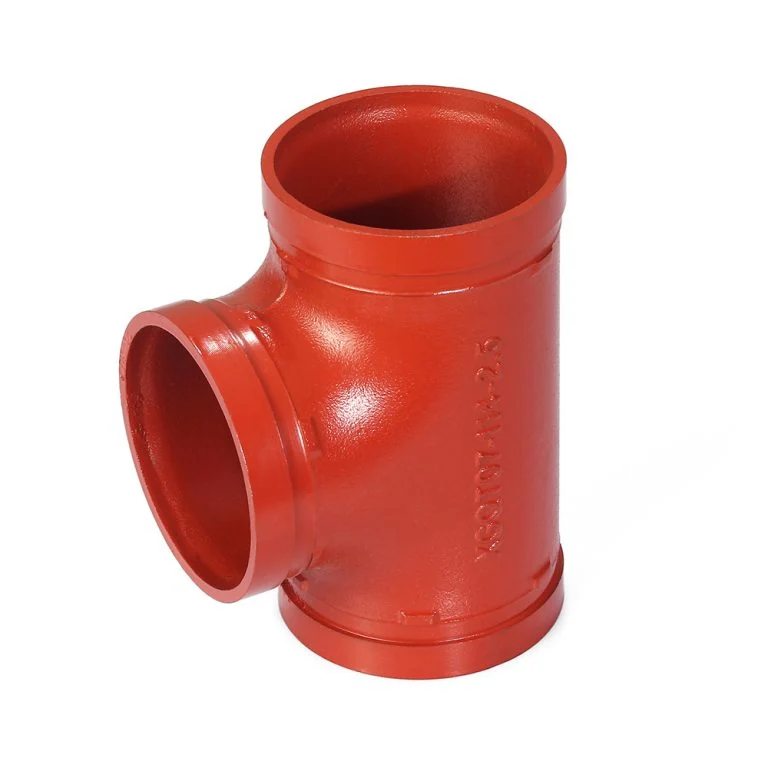
The published range for XGQT08 is 2–12 inches / DN50–DN300. Use those limits as the catalogue reference and request confirmation of the exact required configuration. Do not generate a table of presumed combinations by pairing sizes within the range. If a customer asks for a particular combination, carry that request into the inquiry as a question until you have a response that addresses it directly.
Ask for applicable dimensional information for each proposed item that needs technical review. Your engineer should identify the dimensions and connection details required to compare the proposal with the drawing. Where several combinations appear in the same package, ask whether the provided information clearly identifies which item it covers. Avoid using a drawing for one combination as the basis for another unless the responsible reviewer has confirmed that it is applicable.
If the supplier proposes a different item or a change to the requested combination, record it as an alternative. Ask the project engineer to evaluate the proposal before changing the purchase description. Preserve both the original requirement and the proposed response in the correspondence. Don't collapse them into a single line that makes the alternative appear to be the customer's initial selection. Request a revised quotation after your team decides which proposal, if any, to accept.
Keep the branch location attached to its combination
Give each requested reducing tee a branch reference or location tag. Ask the takeoff owner to connect that tag to the current drawing revision and the intended service description. When several locations use the same requested combination, you may consolidate them for quotation, but retain the location breakdown as an attachment. Ask the supplier to retain your line references when responding so you can return questions to the relevant design owner.
For a package assembled by several contractors, identify the person responsible for the main line details and the person responsible for the branch requirement. Ask them to agree on the connection descriptions before you issue the inquiry. If a branch size changes during coordination, ask which purchase lines are affected and whether the quantity or proposed item also needs revision. Do not update a size in isolation while leaving an older drawing as the apparent purchasing reference.
Where a customer provides only a hand sketch, ask for enough labels to understand the requested connections and the scope of the inquiry. Mark information that remains unconfirmed, and state whether you are requesting preliminary identification or a quotation for an approved requirement. Keep that distinction visible in the response you pass back to the customer. A request for assistance with identification should remain conditional until the necessary project details have been resolved.
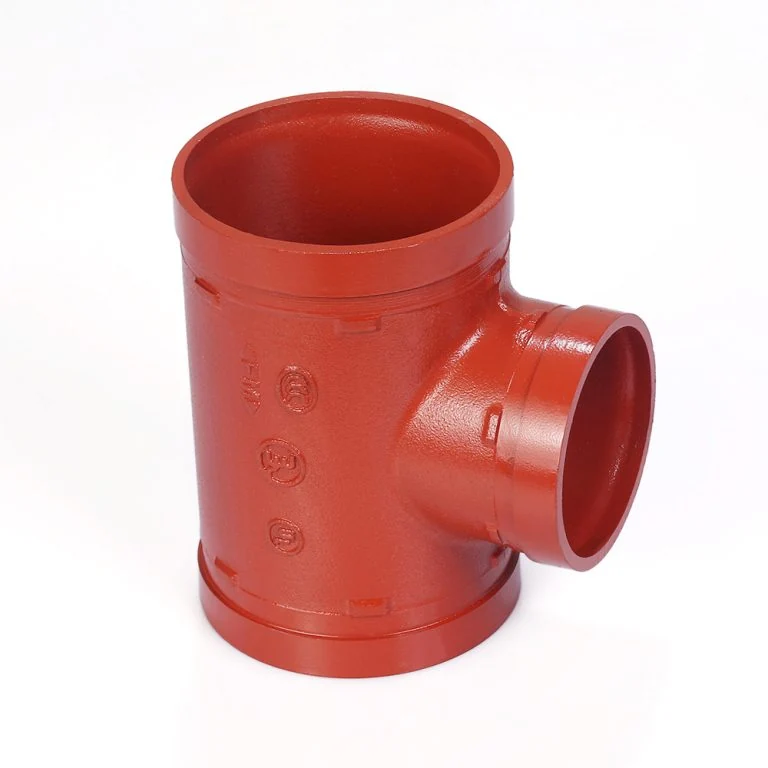
Reference this model in your product list. Add the exact requested size and quantity, then identify any documents you need for review.
Include this model in your inquiry →Organize quantities without hiding the size mix
Request quantities by complete connection combination. If you also want a package total for budgeting, keep it separate from the detailed schedule. Ask the quantity owner to distinguish drawing based quantities, provisional allowances and any spares requested by the project. Do not let a single total replace the size mix when asking for a quotation. Ask the supplier to respond against each combination and identify lines that need further information.
For distribution purchasing, provide the intended assortment as a list of requested items rather than assuming that every combination within the catalogue range is routinely stocked. Ask which exact configurations and quantities can be offered. If the request supports a customer's future demand estimate, label it as an estimate and ask what must be reconfirmed for an order. Preserve your customer references so that changes to the assortment can be reviewed line by line.
If the project proposes staged releases, attach the requested quantity breakdown for each stage and explain whether the stages have firm drawings or remain provisional. Ask for confirmation of the commercial arrangement, timing and any applicable minimum order requirements. Keep the full size matrix current across releases. Before issuing another stage, reconcile previously ordered quantities and the remaining requirements with the latest drawing schedule rather than simply repeating the original inquiry total.
Request technical information for the exact proposal
Submit the service conditions and project requirements that apply to the reducing tee locations. Ask the engineer to provide the medium, required operating conditions and any specified material or compliance requirements. Request a response for the exact model, size combination and configuration under consideration. Do not infer pressure, temperature, material grade or service suitability from the product name, a nominal size match or the catalogue range.
Where the project requires a submission package, list the needed drawings and documents individually. Ask whether those documents can be provided for the proposed item, and specify the stage at which your reviewer needs them. If a response refers to a family of products, ask your technical reviewer whether it addresses the selected combination. Keep any unanswered requirement open in your inquiry record until the project has decided how it must be handled.
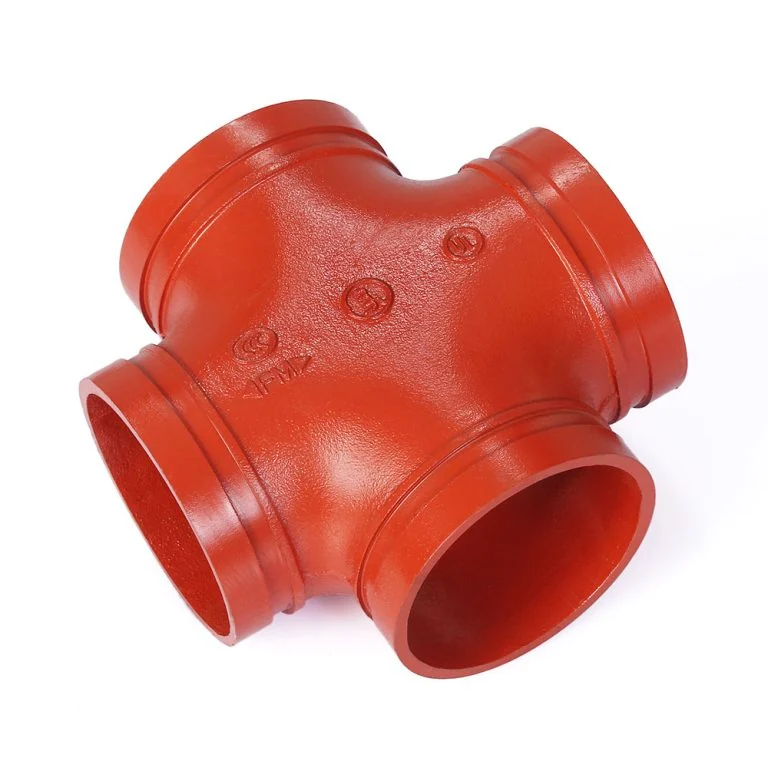
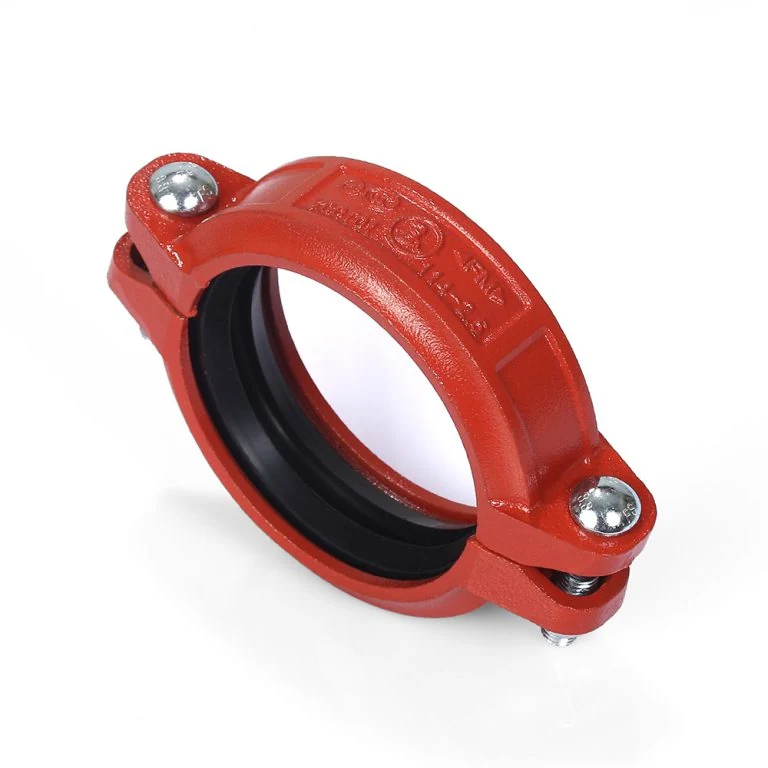
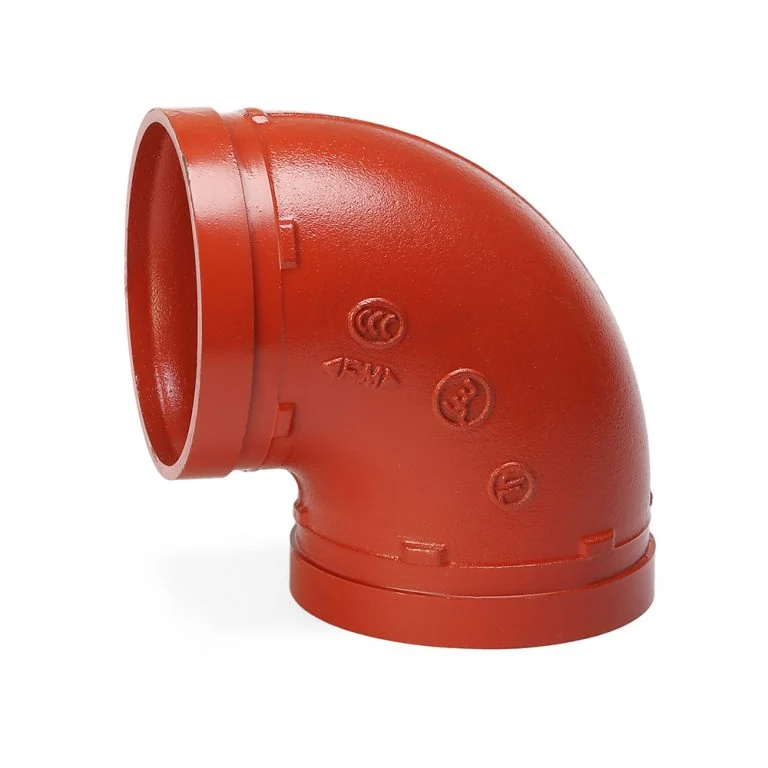
Provide information about adjacent components that are relevant to the review, especially where they are sourced through another package. Ask what further interface information is required, and identify who can provide it. If the RFQ includes related connection items, list them separately and ask the quotation to state the supplied scope. Do not infer that all components shown in a drawing or photograph are included with an XGQT08 quotation.
Make the accepted combination clear at order release
Before issuing a purchase order, compare the accepted offer with your connection size matrix. Ask about changed size sequences, missing labels or item descriptions that no longer match the reviewed proposal. Request a final schedule that identifies the model, each accepted combination, the quantity and the applicable drawing reference. Have your technical reviewer resolve any outstanding configuration questions before you treat a commercial offer as an approved purchase selection.
Provide the destination and requested delivery schedule, and ask for written confirmation of commercial terms, lead time and packing arrangements. If receiving needs labels that show the connection combination, submit the proposed wording for discussion. Ask how the offered item will be identified in the paperwork and make that description part of your receiving record. Keep any project area breakdown available if goods will be distributed to different work locations.
To begin your XGQT08 inquiry, use the RFQ checklist to gather the labeled drawings, quantity matrix and document requirements. The product catalogue can support your model list; the contact page provides the model specific inquiry entry. State whether you need combination confirmation, technical information or a quotation against reviewed requirements. Mark the questions that must be answered before your purchasing decision, and attach the latest schedule rather than several competing versions.
Retain the accepted size notation for reorders
For a repeat request, send the previously accepted size description and connection labels with the order reference. Ask whether the same configuration can be offered for the new quantity and requirements. If the project now uses different shorthand, attach the original labeled drawing and ask your technical reviewer to confirm the intended correspondence.
Keep any requested change to the branch connection on a new or revised line. Ask for a response to that changed combination and request the applicable information before approving it. Do not reuse an earlier acceptance where the actual connection requirements have changed.
Purchasing questions
Does the listed range describe every reducing combination?
No. XGQT08 is listed with a catalogue range of 2–12 inches / DN50–DN300, but that range is not a complete combination table. Submit the required connection sizes with clear labels and ask for confirmation of the exact configuration. Keep unconfirmed combinations as requests rather than treating them as available items.
What should my size description include?
Provide the sizes required at the labeled connections shown on your drawing, together with the model and quantity. Explain any shorthand or ordering convention used in the description. Ask your technical reviewer to resolve ambiguous notation before the schedule becomes an order instruction.
Can I ask for several combinations in a single inquiry?
Yes. Use a separate line for each requested combination and show its quantity, location references and drawing revision. Ask for a response against each line. If identical combinations are grouped for quotation, retain the detailed location breakdown for your own review and for any follow-up questions.
How should I handle a proposed alternative?
Record the alternative separately from the original requirement and ask your engineer to review it with the applicable product information. Do not change the purchase description until the proposal has been accepted through your project process. Request an updated quotation that clearly states the configuration selected for the order.
Catalog reference: VICAST XGQT08 product listing. Size range is a catalog reference; confirm your exact order requirements.