Map the node before assigning the purchase line
Ask the drawing owner to mark the node where XGQT09 is being considered and give it a unique reference in the inquiry. Include the relevant drawing title and revision, then label the connections using the project's chosen convention. Keep those labels consistent across the sketch, item schedule and questions. Do not ask the supplier to infer the intended node from an unmarked plan containing several intersecting lines or overlapping drawing symbols.
Provide the information your engineer considers necessary to describe the proposed arrangement. Ask whether plan views, elevations or sections are needed for the review and attach the relevant extracts. If a symbol is unclear, request clarification from the drawing author before identifying it as an equal cross. Treat the product choice as pending where the design is still under discussion. Ask for preliminary information in that case rather than presenting an uncertain interpretation as an approved purchase requirement.
For each node, identify the parties responsible for the adjoining lines and any associated components. If different contractors own different portions of the arrangement, ask them to agree the connection descriptions before the RFQ is issued. Keep their reference information with the node schedule. Ask one designated project reviewer to coordinate unresolved interface questions so the purchasing team has a clear person to consult before changing an item description or releasing a quantity.
Record size requirements with clear connection labels
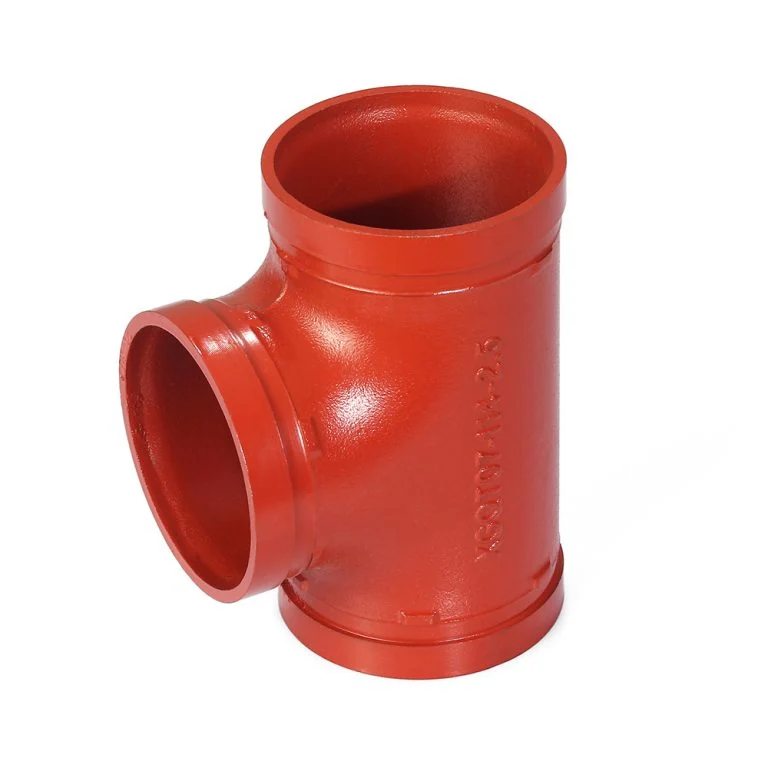
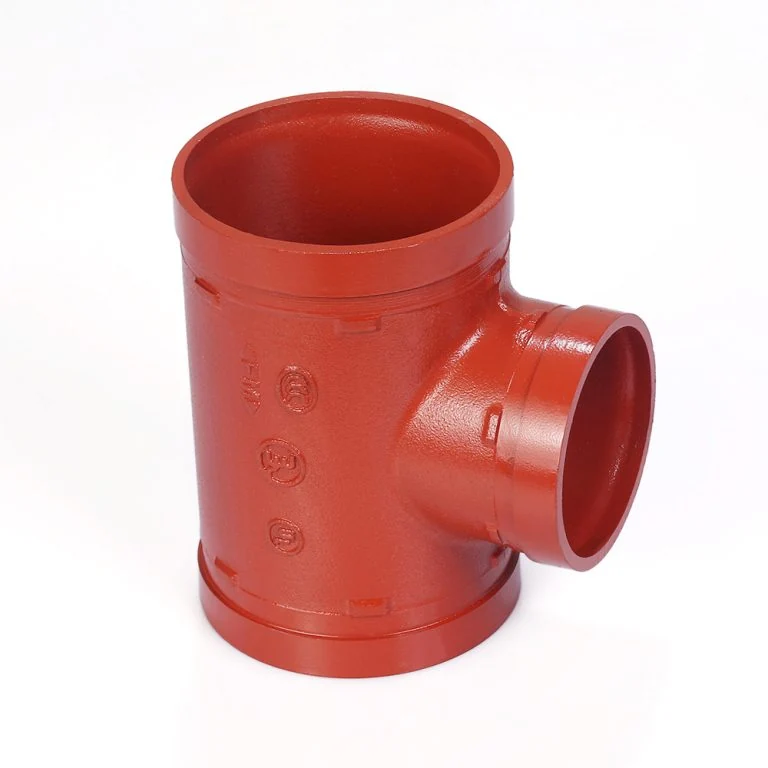
State the exact connection size requirements shown on the drawing, even though the catalogue name is Cross Equal. Ask for a response against those requirements and request applicable dimensions for the offered item. Use 1¼–12 inches / DN32–DN300 as the catalogue range only. Do not assume that every intermediate size is available, and do not use the range to infer unstated dimensions or a configuration that has not been confirmed.
If your schedule records a single size for the proposed equal cross, attach enough drawing context for the reviewer to understand the intended connections. Ask your engineer to resolve any disagreement between the size on the drawing and the size in the material list. Preserve the corrected requirement in both places before ordering. Where different naming conventions appear across project documents, include the original designations and request a clear explanation of the intended correspondence.
For a replacement inquiry, label the existing connections and provide checked identification or dimensional information where available. Use photographs as supporting attachments, with captions identifying their location and view. Ask what additional information is required to review the proposed XGQT09 item. Flag inaccessible or uncertain details explicitly. Avoid ordering solely from a visual resemblance or substituting a familiar size description for a dimension that your technical team has not yet established.
Count cross fittings by node
Ask the takeoff owner to list the fitting requirement at each identified node, then record the quantity with its unit of measure. Keep the number of requested cross fittings separate from any count of connected lines or associated parts. If the same node appears in several drawing views, reconcile those references before consolidating the quantity. Attach the detailed node list to any summary used for quotation so the basis of the total remains available for review.
When your package covers multiple areas, show the area allocation behind the requested total. Ask whether the buyer needs a single commercial line per size, separate area lines or a staged order schedule. State the requested format in the inquiry. If a project allowance or spare requirement has been approved, record it separately from the drawing based quantity and identify its purpose. Do not add an unexplained margin to the total or assume the supplier will interpret it as spare stock.
For a distributor assembling an assortment, list the exact sizes and quantities you want reviewed. Ask for confirmation of what can be offered and any applicable commercial conditions. Keep prospective customer requirements distinct from stock already approved for purchase. If the assortment changes during quotation, issue a revised list and ask for a response to that revision. Reconcile the current size mix before comparing the revised package price with an earlier offer.
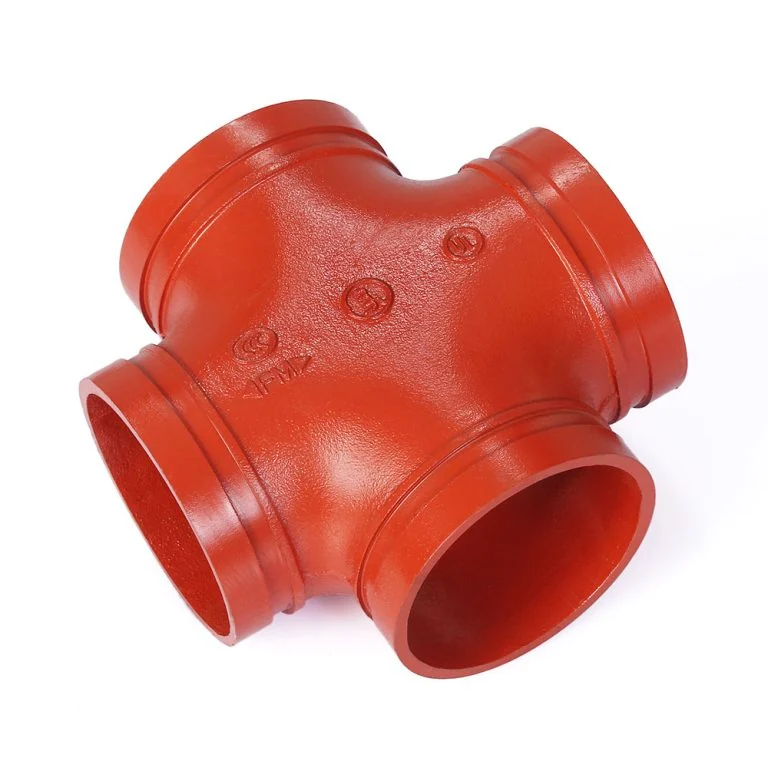
Reference this model in your product list. Add the exact requested size and quantity, then identify any documents you need for review.
Include this model in your inquiry →Define the scope around the cross
Tell the supplier whether the inquiry covers the equal cross alone or additional items associated with the proposed node. List those other items separately, with shared references where useful. Ask the quotation to identify supplied contents and exclusions. A drawing may show the broader arrangement; mark items outside the requested scope as background, and do not assume that every item shown will be included in an offer for XGQT09.
If connecting components are buyer supplied, provide their relevant identification and ask what information is needed for an interface review. Name the responsible contact for those components. Keep a question about compatibility separate from the commercial question about who supplies each item. Ask your technical reviewer to determine whether the proposed complete arrangement meets the project requirements after the necessary information has been collected.
Where the project is considering a different node arrangement, give that option a separate reference. Ask the engineer to identify the required products and quantities for each option. Request separate quotation responses if pricing is part of the comparison. Do not turn an alternative route into an XGQT09 purchase line merely to simplify a spreadsheet. After the project selects an arrangement, issue the accepted schedule and clearly identify which earlier requests it replaces.
Send the project requirements with the node schedule
Ask the engineer to state the intended service conditions and acceptance requirements for the proposed equal cross. Include the medium, required operating conditions and relevant project specification. Request any needed material information and compliance documents for the actual offered item. Keep those as questions for confirmation. The catalogue identity and size range do not establish a pressure rating, temperature limit, material grade or approval for your particular service.
If a customer approval package is required, identify the requested documents and the review stage they support. Ask whether drawings or other product records can be supplied for the exact model, size and configuration. Request clarification where an offered document does not clearly identify the item under review. Have your technical reviewer decide whether the response satisfies the project requirement, rather than allowing a general document title to stand in for that decision.
For nodes appearing in different service areas, ask whether the same acceptance requirements apply to all of them. Keep any different requirements attached to the relevant node references, even if the commercial item description is similar. Ask the supplier to identify exceptions in its response. If you consolidate the quotation lines, retain the technical requirement breakdown as an attachment so the project reviewer can still assess each proposed location against its own brief.
Prepare release and receiving information
Before order release, reconcile the accepted quotation with the current node schedule. Check the model, equal cross description, exact sizes, quantities and document requirements. Ask about any changed description or unconfirmed line. Keep pending technical questions outside the released scope until your project process permits them to proceed. Request a final response that identifies the accepted item clearly enough to use in the purchase order and receiving records.
Provide the destination, requested delivery timing and any proposed grouping by area. Ask for confirmation of lead time, minimum order requirements, commercial terms and packing arrangements for the actual request. If your receiving team wants node or area references on packing information, submit the proposed identifiers for discussion. Confirm the agreed approach before relying on it for site distribution. Distinguish the dates and arrangements you requested from those the supplier has accepted.
To request XGQT09 information, gather the node drawing, size schedule and project document requirements using the RFQ checklist. Refer to the VICAST product catalogue for model identification and submit the inquiry through the model specific contact link. State whether you need an initial product response, dimensional review information or a quotation for approved requirements. Attach the latest node schedule, identify unresolved questions and name the person who can clarify the drawing details.
Purchasing questions
What is the catalogue range for XGQT09?
XGQT09, the VICAST Cross Equal, is listed with a size range of 1¼–12 inches / DN32–DN300. Ask for confirmation of the exact size and configuration required. Do not treat the listed endpoints as confirmation of every intermediate size or as a complete dimensional specification for a proposed node.
How should I identify the proposed cross on a drawing?
Mark the node, give it a reference and label the intended connections. Include the drawing revision and the size requirements your engineer has specified. Ask the drawing owner to resolve ambiguous symbols before assigning XGQT09, especially where several routes or views appear in the same inquiry attachment.
What quantity should appear in the RFQ?
State the number of cross fittings requested, with a clear unit of measure and a supporting node list. Keep associated components, connected line counts and any approved spare allowance separate. Ask the takeoff owner to reconcile nodes shown in multiple views before consolidating quantities for quotation.
Can I request a complete package for each node?
Describe the package you want reviewed and list each requested item separately. Ask what can be offered, what the quotation includes and which components remain buyer supplied. Submit interface information for technical review and do not assume that all items shown around a cross are included in a quotation for the fitting.
Catalog reference: VICAST XGQT09 product listing. Size range is a catalog reference; confirm your exact order requirements.