Keep the complete model in the purchasing record
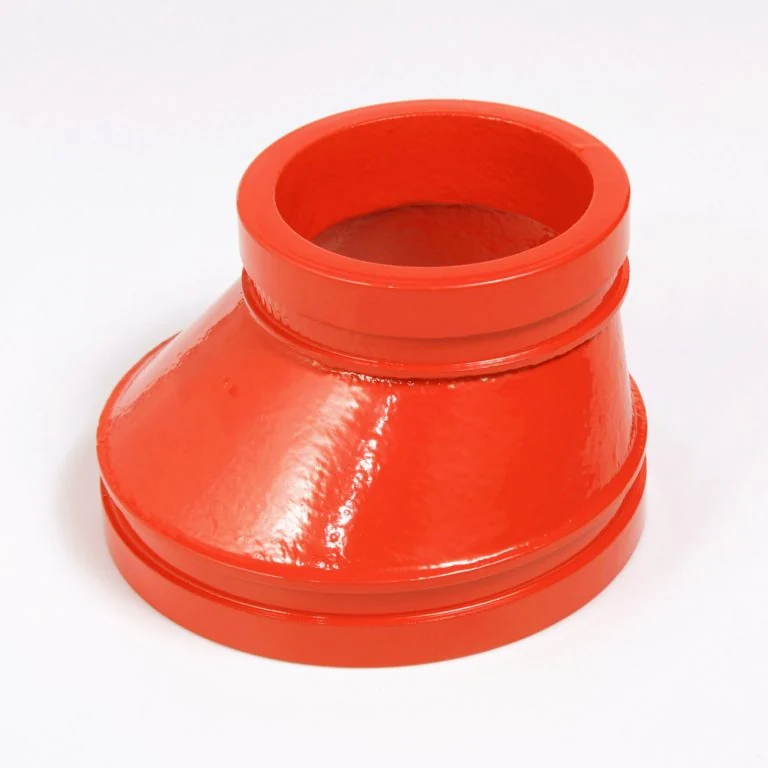
Write XGQT11S in the item schedule, quotation request and any related drawing query. Include the threaded concentric reducer description beside it. If your internal system uses its own stock number, retain the catalogue model in a separate field or supporting schedule. Ask the buyer preparing the order to preserve the suffix when transferring information between systems, and request clarification if a supplier response uses a shortened or different model reference.
For a customer inquiry that identifies only a 'reducer,' ask for the intended product type and connection requirements before assigning this model. Keep the original customer description in the correspondence and record the clarified requirement separately. Do not infer the intended configuration from the largest listed size, a photograph or a similar item in an earlier order. Request product identification assistance if necessary, while making clear that the final selection still needs technical review.
If your project compares several reducer types, use separate lines for the alternatives and ask the engineer to specify what each proposal must satisfy. Keep XGQT11S attached only to the item being requested under that model. Once an option has been chosen, issue a current schedule that identifies the accepted request. Ask the supplier to reference it in the quotation instead of relying on a conversation containing several possible descriptions.
Label both ends of the requested transition
Ask your technical team to label the intended connections on a sketch and record the required size at each end. Use those labels in the RFQ so the order of a compact size description is explicit. Add the identifiers of the mating items and the drawing revision. Ask for a response to the complete requested combination rather than requesting a reducer by a single size and leaving the other connection undefined.
The catalogue range is 1¼–8 inches / DN32–DN200. Do not create an assumed combination table from those endpoints. Request confirmation for each combination you need and ask for the applicable dimensions and connection details. If a required size designation differs between the equipment drawing and the pipe schedule, ask the responsible engineer to resolve the intended relationship before the inquiry becomes an order instruction.
For a package with several transitions, create a line for each requested combination and preserve its equipment or line reference. If identical combinations are consolidated for quotation, retain the location breakdown as an attachment. Ask the supplier to keep your references in its response. When a proposed combination cannot be confirmed, request an explicit answer for that line and keep any suggested alternative separate until your project reviewer has assessed it.
Ask for thread details without inferring a specification
The product name includes 'threaded,' but this page does not state a thread specification. Ask your engineer to identify the required thread details and how they should be expressed in the inquiry. Include the relevant mating component documentation and request confirmation of the offered connection information. Do not assign a thread standard or connection form from the product name, a nominal size or the appearance of a photograph.
If the mating item comes from an equipment supplier, request its applicable connection drawing or specification and identify the equipment tag in your reducer schedule. Ask the parties responsible for each side to clarify any inconsistent descriptions. Keep unanswered interface questions visible before order release. A general statement that an item is threaded should not be used as the project's acceptance of the particular connection you intend to assemble.
For replacement work, gather the available identification and checked connection information from the existing assembly. Use photographs to show context, but ask what further information is needed to review the proposed replacement. Mark any measurement or description that remains uncertain. If the site cannot provide a required detail immediately, request a preliminary response and leave final selection pending rather than presenting an estimate as a confirmed thread or size requirement.
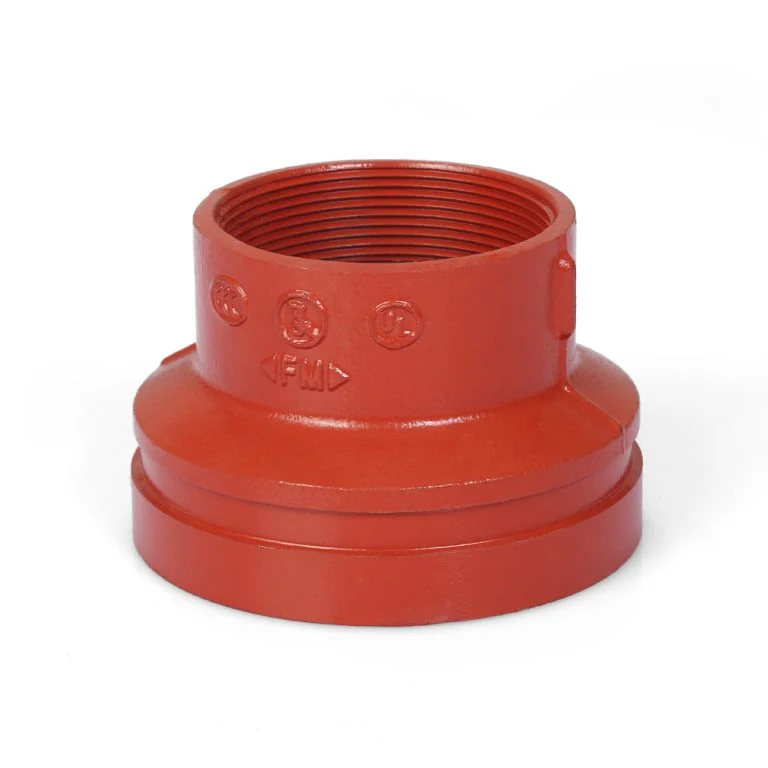
Reference this model in your product list. Add the exact requested size and quantity, then identify any documents you need for review.
Include this model in your inquiry →Coordinate the reducer with equipment and pipe purchases
Identify which team owns the equipment connection, which team owns the adjoining line and who will approve the interface. Ask them to review the same drawing revision. Put the reducer reference in both relevant purchase schedules where your project process requires it, while making clear which package actually buys the item. Reconcile any duplicated quantities before requesting a price. Ask the coordination owner to close responsibility questions before procurement releases the order.
Request the applicable product dimensions needed to compare the proposed item with the intended arrangement. Ask your engineer to identify which dimensional references and space requirements should be included in the inquiry. Do not treat the word 'concentric' as confirmation of all installation geometry or clearance. Provide the proposed layout and request the information required for review, leaving the suitability decision with the technical person responsible for the assembly.
If the inquiry includes associated fittings or connection components, list them separately and ask the quotation to identify what is included. Mark equipment and pipe shown only for context as outside the requested scope where appropriate. If your team wants a broader package, describe that request explicitly and ask what can be offered. Keep a commercial scope question distinct from the technical review of whether the proposed items belong together in the intended service.
Attach service requirements and requested documents
Ask the project engineer to supply the medium, required pressure and temperature conditions, relevant specification and any material requirements for the proposed reducer. Submit these as requirements for confirmation against the offered item. The catalogue identity and size range do not establish performance ratings, material grade or media compatibility. Request a documented response to the requirements that matter to your selection rather than adding assumed values to the purchasing description.
If your customer requires a technical submission, list the drawings, identification information and compliance records requested for review. Ask whether they can be supplied for the exact XGQT11S combination and configuration being offered. State the stage at which the documents are required, and request that any limitations be identified. Do not present a document request as proof that the document exists or that a particular certification applies to the product.
When a response includes an exception or an alternative connection description, send it to the authorized project reviewer. Keep the original requirement and the offered response visible side by side in your query record. Ask for clarification of any answer that does not identify the size combination or drawing it covers. Record the project's decision before changing the active order schedule, and request an updated commercial response if the accepted configuration differs from the original inquiry.
Release a clearly identified combination
Build the final quotation comparison around the exact end size combination, model and requested quantity. Ask the supplier to preserve the complete XGQT11S reference and to state the offered configuration, included items and exclusions. Provide the delivery destination and requested timing, then request confirmation of commercial terms, minimum order requirements and lead time. Treat proposed dates and staged releases as requests until the supplier has accepted them for the actual order scope.
For receiving, ask your team which details must appear in the purchase record to identify the reducer correctly. Include the accepted connection description and agreed document requirements. If you request package labels carrying your item code or size combination, submit the proposed wording and confirm the arrangement. Keep each line traceable to the accepted quotation so an unfamiliar receiving colleague can refer questions to the correct purchasing item without interpreting earlier design discussions.
Use the VICAST product catalogue to organize your model list and the RFQ checklist to gather the supporting requirements. Submit the XGQT11S inquiry with labeled connection drawings and a quantity schedule through the model specific contact link. State whether you need identification help, interface information or a quotation against reviewed requirements. Highlight missing thread or mating item details and identify the person responsible for providing them before the order can proceed.
Carry interface decisions into future requests
If you plan to reorder XGQT11S, retain the accepted end size labels and connection description with the purchase reference. Submit those details again and ask for confirmation against the new requirement. Identify any change in the mating equipment or adjoining line rather than describing the request only as a repeat order.
Ask your technical reviewer whether the earlier interface decision still applies to the proposed arrangement. Where equipment documentation has changed, attach the current revision and highlight the relevant connection. Request clarification of differences before accepting a new quotation, and keep the final model and configuration description in the updated purchasing record.
Purchasing questions
What is the listed range for XGQT11S?
The VICAST Threaded Reducer Concentric XGQT11S is listed with a catalogue range of 1¼–8 inches / DN32–DN200. Ask for confirmation of the exact end size combination and configuration. The range does not establish that every possible pairing within it is available or specify the dimensions of a proposed item.
Does the product name specify the thread standard?
No thread standard is stated here. Provide the required thread information from your technical team and the relevant mating component documentation. Ask for confirmation of the offered connection details, and have the responsible reviewer assess them before treating the proposed reducer as an approved selection.
What should I include when connecting to equipment?
Provide the equipment tag, applicable connection drawing, required end sizes and the adjoining line reference. Identify who will approve the interface and ask what additional information is needed. Keep the reducer scope and quantity explicit when the equipment and pipe are being bought through different purchasing packages.
Why should I retain the S suffix in my inquiry?
XGQT11S is the complete catalogue model provided for this product. Preserve that full identifier alongside the threaded concentric reducer description in your inquiry and order records. If a response uses another identifier, ask for clarification before accepting it as the item you requested.
Catalog reference: VICAST XGQT11S product listing. Size range is a catalog reference; confirm your exact order requirements.