Start with an end-by-end size schedule
Give each end a clear reference in your purchasing schedule. You might use large end and small end, accompanied by the size designation shown on the project drawing. Keep those labels consistent across the inquiry, drawing and any subsequent quotation. Enter both end sizes in the spreadsheet, and ask the reviewer to confirm that the description is complete. Ask for written confirmation of the requested pair and how it should be described on the order.
The listed 2–10 inch / DN50–DN250 range does not identify every available reduction pair. If your project needs several combinations, enter them on separate lines and request a response against each one. Retain your own item references even when the supplier uses different descriptions. Ask the project engineer to return comments against the specific transition reference, and carry accepted changes into the corresponding documents in the purchasing package.
Where a project schedule uses both inch and DN notation, copy the approved designations rather than creating a conversion from a measurement. Include any measured dimensions separately and label their units. Ask the reviewing engineer to resolve ambiguous size descriptions before you request final pricing.
Make the orientation visible on the drawing
For an eccentric reducer inquiry, submit the orientation you want reviewed rather than relying on a general product name. Mark the relevant side of the transition on a sketch and include the viewing direction. If the project has a preferred reference such as a floor level or pipe centerline, show it. Request a dimensional drawing for the proposed item so your team can check the relationship between the product and those references.
Keep the sketch readable. Submit a cropped detail with the neighboring pipe identifiers, and mark the location on any larger drawing set that accompanies the inquiry. Include the original drawing number and revision on the crop so it remains traceable when forwarded. Any handwritten change should carry an explanation of whether it is a proposed change or an approved requirement.
Don't turn this drawing request into an installation instruction. Ask the responsible designer to specify the required orientation and review any proposed alternative. Your purchasing record should show what was requested and what was accepted, without asking a receiving clerk or buyer to decide engineering questions from a product photograph.
Request the dimensions that control the transition
Before placing an order, list the dimensions your team needs to check. These may include the proposed overall length, the dimensions at each end and the reference points used on the product drawing. State the available envelope from your project information and ask whether the proposed configuration meets it. Keep required dimensions separate from dimensions that are merely descriptive.
Imagine a purchasing package in which the reducer appears between items supplied by different parties. Ask each party to use the same interface references. Send the adjacent item drawings with your inquiry where you have permission to share them, and mark which document controls each connection. A note saying that the product must fit an existing assembly should be backed by the actual interface information.
If a dimension remains undecided, identify it as an open item rather than filling the space with an estimate. Request a drawing response before releasing the affected line. Continue the price discussion if appropriate, but keep acceptance of the proposed geometry with the person responsible for the layout and record the pending decision.
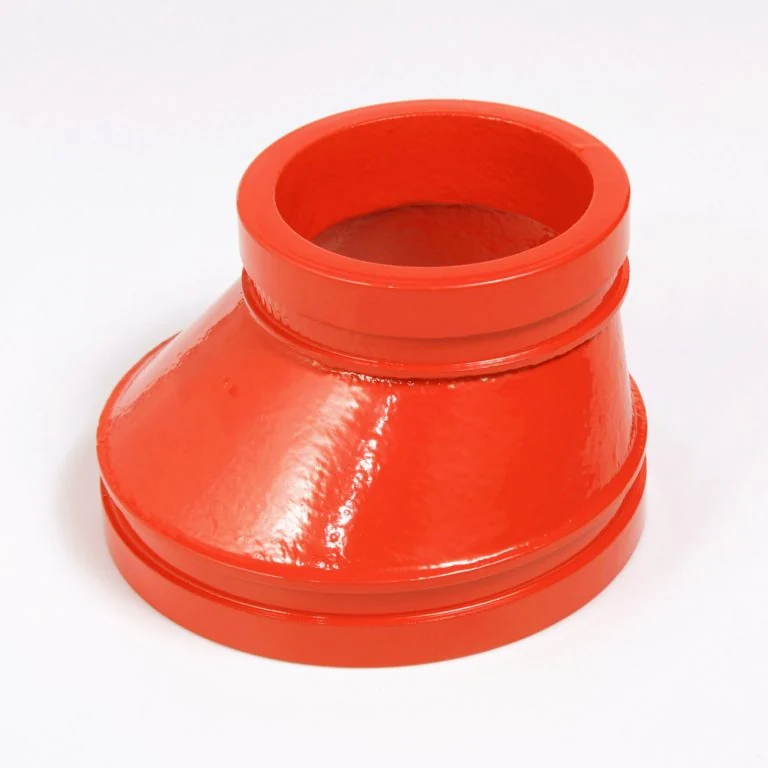
Reference this model in your product list. Add the exact requested size and quantity, then identify any documents you need for review.
Include this model in your inquiry →Describe the pipe connections as purchasing requirements
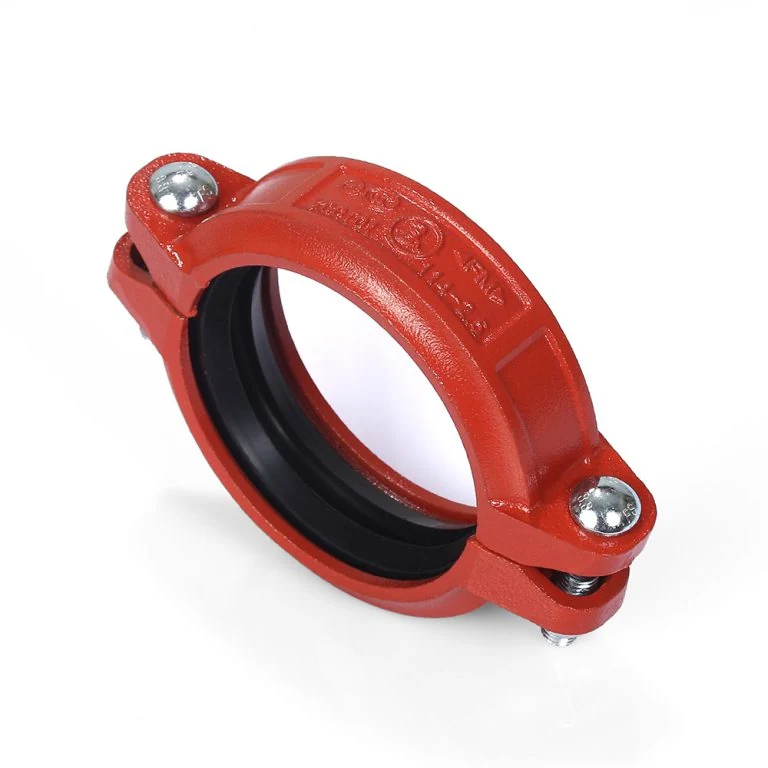
Include the pipe information and end details specified by your project, then ask for confirmation of compatibility with the proposed XGQT12 configuration. Request the relevant interface drawing and identify any connection components you expect to purchase separately. A grooved product name alone should not be treated as confirmation that every item in an existing pipe package will fit.
Make the supply boundary explicit. Do you want a quotation for the reducer alone, or a separately identified list of associated connection items for review? Ask the quotation to distinguish those scopes. If another contractor supplies the connection components, name that responsibility in your inquiry and share the approved references with the reviewing team.
Ask for the applicable product instructions before installation planning begins. Any questions about preparation, assembly, inspection or allowable service conditions should be answered for the selected configuration. Keep those answers with the project documents, and have the responsible personnel review them. Use your procurement checklist to collect the questions, and obtain the applicable instructions before planning the actual work.
Connect each reducer line to its project location
Use a transition register when the order includes multiple reducer locations. For each line, record the model, requested end sizes, drawing reference, quantity and destination within the project. Add an orientation reference if the drawing calls for one. If several locations share a purchasing line, preserve a separate location list so an order quantity can be traced back to the design.
Treat replacements as their own inquiry scenario. If you're seeking a replacement for an existing item, provide the existing identification and available dimensional information. Explain which information has been measured and which has been copied from records. Ask for a comparison against the proposed product rather than assuming that a similar appearance establishes interchangeability.
Keep provisional quantities visible. Label each quantity according to its purpose: tender allowance, confirmed construction requirement or proposed spare for review. Separate them in the schedule and ask for commercial responses on the basis you actually need. Your final order should refer to the confirmed schedule revision, especially when a late layout change has altered the number or size of transitions.
Ask for service information and supporting documents
Submit the service conditions specified by the project and ask for a documented response for the selected item. Include the required medium, pressure and temperature information from your design documents. Do not infer a rating or material grade from the size range, product name or photograph. If the project has a material specification, quote that requirement in the inquiry and ask how the proposed supply would be identified.
List required documents individually. Request dimensional drawings, material information, inspection records and project-specific conformity information under their own headings in the document list. Explain which are needed for technical review and which would be required with the shipment. Ask what can be supplied and what remains to be agreed before treating any document as part of the purchase.
Where a consultant or end user must approve the product, ask that person to define the acceptance criteria early. Keep the document title and required scope in your request. Ask the supplier to respond to each named document request and retain any unanswered requirement as an open item in the order discussion.
Compare quotations against the same reducer scope
Set up your comparison around each requested transition pair. Check that the response names XGQT12, describes the proposed size combination and points to the drawing used for the offer. Ask for exclusions to be stated clearly. If a quotation proposes a different configuration, keep it as an alternative until your engineer has reviewed it against the original requirement.
Request the commercial information needed for your purchasing decision: quantity basis, packing proposal, delivery destination, lead time, payment terms and quotation validity. These are questions to settle for your order, not assumptions to carry over from an earlier inquiry. If you need a sample for review, ask about availability, scope and conditions before including it in your programme.
Record decisions in the same place as the line items. Write an acceptance note identifying the agreed drawing revision, and attach it to the relevant line rather than leaving the decision only in an email chain. Before releasing the order, reconcile technical comments with the quoted description so the purchasing and engineering teams are approving the same proposed reducer.
Prepare receiving references before the order is released
Ask how the agreed model and size combination will be identified on the supplied items or packaging. Provide any project label requirements for discussion, and request a packing list structure that can be matched to your transition register. If deliveries are divided by project area, make that request explicit and ask whether the proposed packing arrangement supports it.
Agree on the records your receiving team should use for identification. They may need the purchase order line, approved drawing and the location schedule. Ask your quality team to specify the inspection and discrepancy process appropriate to the project. Keep visual identification separate from acceptance of technical performance; the latter needs the agreed requirements and supporting information.
To begin an XGQT12 inquiry, send the end-size schedule, quantity and marked orientation drawing through the product contact route. Use the RFQ checklist to gather the remaining project questions. If you are still comparing product types, return to the product catalogue first and retain the full model reference in every subsequent message.
Purchasing questions
What size range is listed for XGQT12?
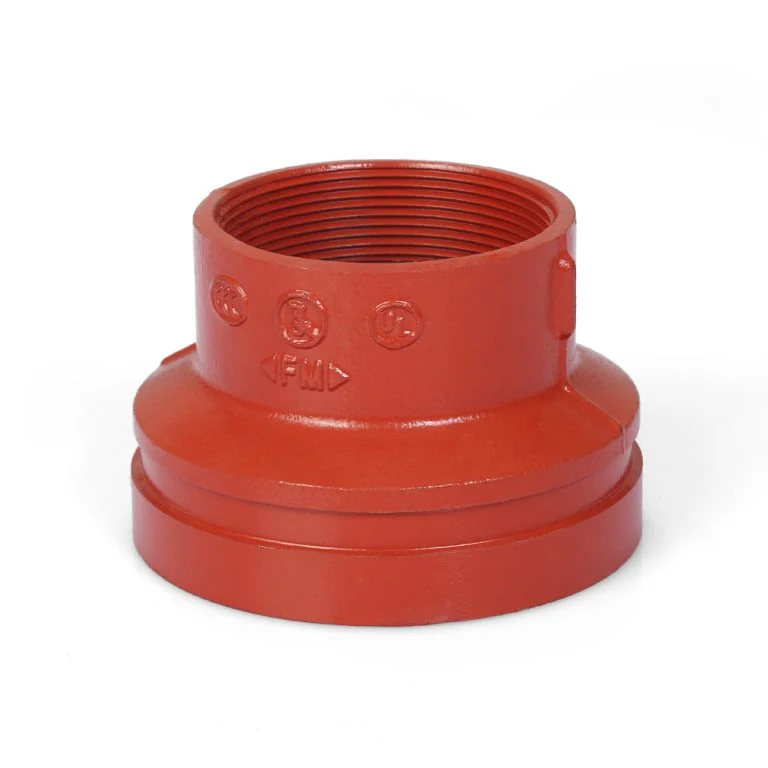
The catalogue lists 2–10 inches / DN50–DN250 for the VICAST Grooved Eccentric Reducer. Ask for confirmation of the specific large-end and small-end combination you require. The stated range should not be read as an availability list for all possible intermediate sizes or reduction pairs.
What drawing should accompany an eccentric reducer inquiry?
Send a marked layout detail showing the requested transition, end designations, orientation and relevant project references. Identify the drawing revision and ask for a proposed product drawing that your engineer can compare with it. Include adjacent interface drawings where those documents define the connection requirements.
Can I order using only the larger size?
Provide both requested end sizes and the quantity for each combination. Add the model and drawing reference to the same line. If one end has not been decided, flag it as an open requirement and request clarification before finalizing that line of the purchase order.
Does the catalogue range establish service suitability?
No. Supply your project's service requirements and request confirmation and supporting information for the proposed configuration. Material, pressure, temperature, connection compatibility and required compliance documents should be addressed in that review. Ask the responsible project personnel to approve the response before ordering for the intended duty.
Catalog reference: VICAST XGQT12 product listing. Size range is a catalog reference; confirm your exact order requirements.