Identify the mating connection before asking for a price
Start with the equipment or pipe connection to which the proposed split flange would be matched. Record its tag, drawing number and revision in the inquiry. If the mating item is being supplied by another company, request its approved interface drawing and pass that information to the person reviewing the flange selection. Ask the reviewer which details are needed for that comparison, and supplement the purchase-list description with the requested information.
Ask the supplier to identify the proposed XGQT14 size and return the corresponding drawing for review. Request a clear response to the mating requirements you have supplied. If a detail is missing from either side, leave it as a named question rather than assuming that equal nominal sizes settle the interface.
For an existing installation, describe what you know and how you know it. Separate equipment nameplate information, original drawings and site measurements. Include photographs as identification aids, while asking your engineer to determine which dimensions and records are needed for an ordering decision. Use those accepted dimensions and records as the references for the connection you want to review.
Build a flange interface checklist from project documents
Use the project specification to list the flange details that require confirmation. Ask about the applicable dimensional standard, drilling arrangement, mating face and any other interface requirements shown in your documents. Where those requirements include a standard designation or revision, reproduce it accurately. Do not infer those details from the catalogue page name or the words split flange.
Put requested values in a requirement column and leave a separate column for the supplier's proposed values or drawing references. Ask for differences to be identified explicitly. If the inquiry covers multiple equipment tags with similar-looking connections, ask for each response to identify its own mating drawing and equipment reference.
Keep the comparison focused on the interface that your team must accept. If the engineer needs a sectional view or a particular dimensional reference, ask for it. If a purchasing colleague cannot interpret the drawing, give them a simple status such as awaiting interface approval rather than asking them to decide whether an apparent visual match is sufficient for the project.
Separate the flange from the proposed connection package
Write down what you expect the quotation to cover. Ask whether the offer is for the split flange alone or includes separately described connection components. Request an itemized response for any components you want considered. Do not let a general phrase such as complete set stand in for a list that your receiving and installation teams can actually use.
Ask your project team to assign responsibility for mating parts, fasteners, seals and any other connection items specified in the design. The purpose is to define the buying scope, not to assume which components are supplied with XGQT14. Where another party supplies an item, include its approved reference and ask for the necessary interface review.
Imagine that the equipment package arrives under a separate order. Your purchase records should make it clear which items belong to that package and which are included in the flange inquiry. Request that any proposed additions or exclusions be shown as separate quotation lines. Compare the offers against this list, and request a separate decision before changing the scope at the connection.
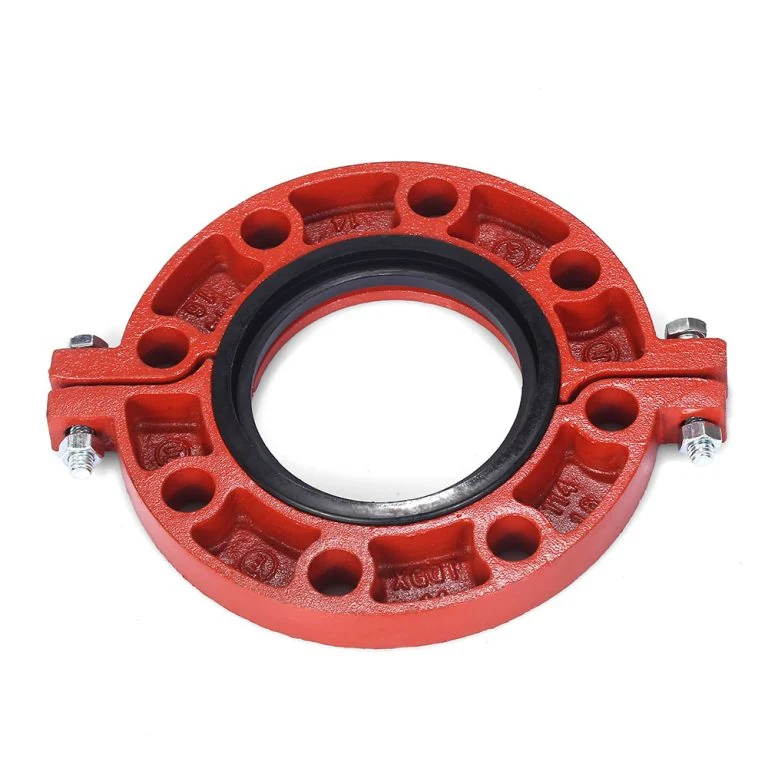
Reference this model in your product list. Add the exact requested size and quantity, then identify any documents you need for review.
Include this model in your inquiry →Ask for assembly information before planning site work
Request the applicable product instructions for the selected size and configuration, and send them to the personnel responsible for installation planning. Ask for clarification of any preparation, assembly or inspection requirements they identify. The product name and catalogue range do not provide the instructions needed to carry out work at a flange connection.
If access is restricted in your proposed location, show the available space on a drawing and ask the responsible engineer to review the arrangement. Identify equipment access panels, nearby pipework or other project constraints that are relevant to that review. Ask for the product dimensions needed to assess those constraints rather than estimating them from an image.
Keep questions about installation separate from requests for a quotation date. Continue commercial discussions where appropriate while technical details remain open, and obtain the required technical approvals before proceeding with site work. Record who must approve the proposed connection arrangement and which documents they need, then carry that requirement into the order programme.
Organize orders by equipment tag and delivery package
Create a flange schedule and link each requested XGQT14 item to the mating equipment tag supplied in the project documents. Include the required size, quantity, interface drawing and destination. If several tags use a common purchasing line, retain a tag list beneath it. Ask the supplier to reference your line numbers in the response so comments about one connection are not applied to another.
Use separate status fields for technical approval and quantity approval. Your team may agree on the required interface while the equipment quantity is still provisional. Conversely, the total quantity may be fixed while a mating drawing is awaiting revision. Record both decisions and ask the project team which purchasing lines can be finalized on the information currently accepted.
For staged deliveries, describe the proposed equipment groups and ask how they could be identified in the packing information. State the delivery sequence you need and request confirmation of the commercial arrangements. Treat requested dates as project requirements until they have been agreed; a catalogue listing should not be used as evidence of stock or a delivery commitment.
Define the evidence required for project acceptance
Tell the supplier which service conditions the connection must be reviewed against. Provide the design requirements for medium, pressure and temperature, together with any specified material or finish. Ask for a response covering the offered configuration. Avoid using a flange's size or appearance as a substitute for the information that your project requires for acceptance.
If compliance documents are needed, name them and explain their scope. Ask whether the requested documentation can be supplied for the proposed product and how it would relate to the order. Submit a specific document list and ask your project reviewer to decide whether the response satisfies each stated requirement before accepting the proposed document package.
Request the dimensional information and identification records your quality team needs as well. Ask the team to state the inspection requirements that belong in the purchase order. If a sample or pre-order document review is required, describe the purpose and ask about the terms. Do not presume a sample programme, certification status or inspection service simply because you have requested one.
Evaluate deviations before releasing the purchase order
Compare each offer with the same mating drawing and scope list. Check the model reference, requested size, proposed configuration and documentation response. Ask the supplier to identify deviations in one place, including any alternative item suggested for consideration. Send those deviations to the engineer responsible for the interface rather than accepting them through a price comparison alone.
Prepare a clarification register with an item reference, the question, the supplier's reply and your team's decision for each open point. Keep the wording specific: which drawing applies, which part is included, which requirement still needs confirmation? Close questions with a dated decision that points to the accepted document. If the mating equipment drawing changes, reopen the relevant interface questions.
Once the technical scope is settled, confirm quantity, packing, delivery terms, lead time and quotation validity for that scope. Ask for the final offer to reflect the accepted drawing references. This is the point at which a purchasing description should become precise enough that another colleague can place the order without reconstructing the history of the inquiry.
Create a usable handover for receiving and installation teams
Ask how the supplied flange items will be identified and how those identifiers will relate to your purchase order lines. If you need equipment tags or project package references on labels, submit the requirement for agreement. Request packing information that preserves the distinction between the flange and any separately quoted accessories.
Prepare a receiving pack containing the accepted item description, relevant drawings and agreed document list. Ask your quality team to define the checks and handling of discrepancies. If an item arrives with a different reference, record the discrepancy and request clarification through the project process rather than treating a visual resemblance as approval.
To request an XGQT14 quotation, use the contact link with the model, size schedule and mating drawings ready. Consult the RFQ checklist and collect the service and commercial requirements specified for your project. For a broader procurement package, use the product catalogue to identify other required items, keeping each product's scope and engineering questions separately traceable.
Purchasing questions
What is the catalogue size range for XGQT14?
VICAST lists the XGQT14 Split Flange in a range of 2–12 inches / DN50–DN300. Confirm the exact size and proposed configuration for your order. The range alone does not establish every intermediate size, interface dimension or mating connection requirement.
What should I send for a mating flange review?
Provide the mating item's drawing, tag and revision, together with the project interface specification and requested quantity. Ask for the proposed XGQT14 drawing and a response to your stated requirements. Have the responsible project engineer review the match before purchasing against it.
Are associated connection components included?
Ask for an itemized quotation that states what is included and excluded. Identify any connection components you want quoted separately and any items supplied by another party. Keep those responsibilities in the final purchase description so the scope remains clear through delivery and receiving.
Can a model or size designation establish a pressure rating?
Use the service requirements from your project and request the applicable product information for the proposed configuration. Do not derive a rating, material specification or certification from the model, catalogue range or a link title. Obtain the documents your project reviewer requires for an acceptance decision.
Catalog reference: VICAST XGQT14 product listing. Size range is a catalog reference; confirm your exact order requirements.